News - December 2011
| Happy 2012! Cora |
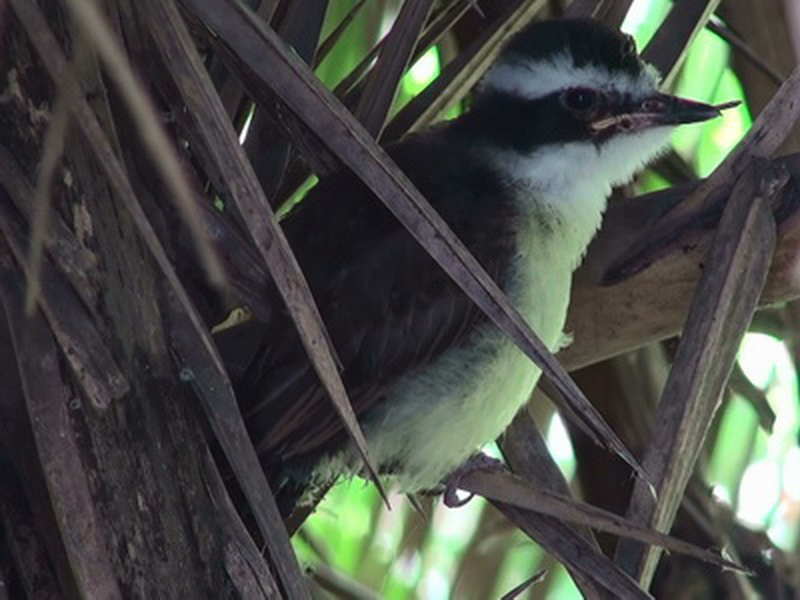
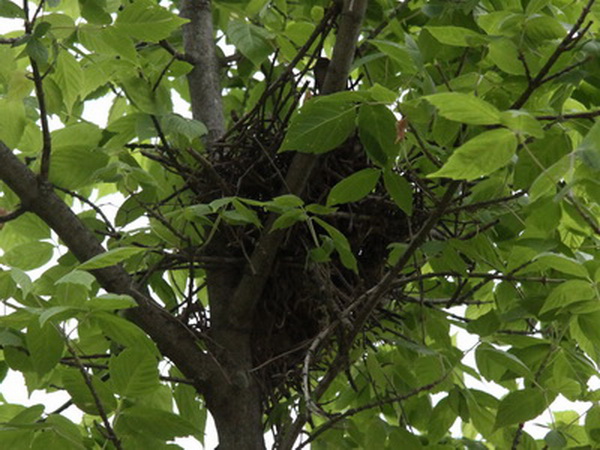
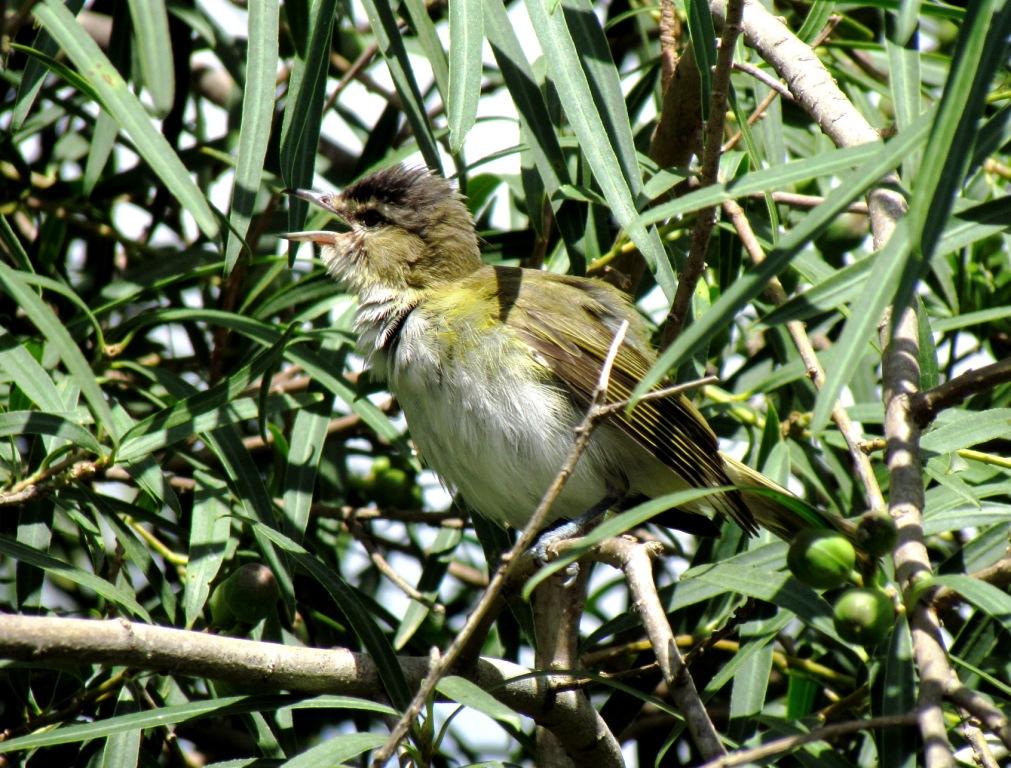
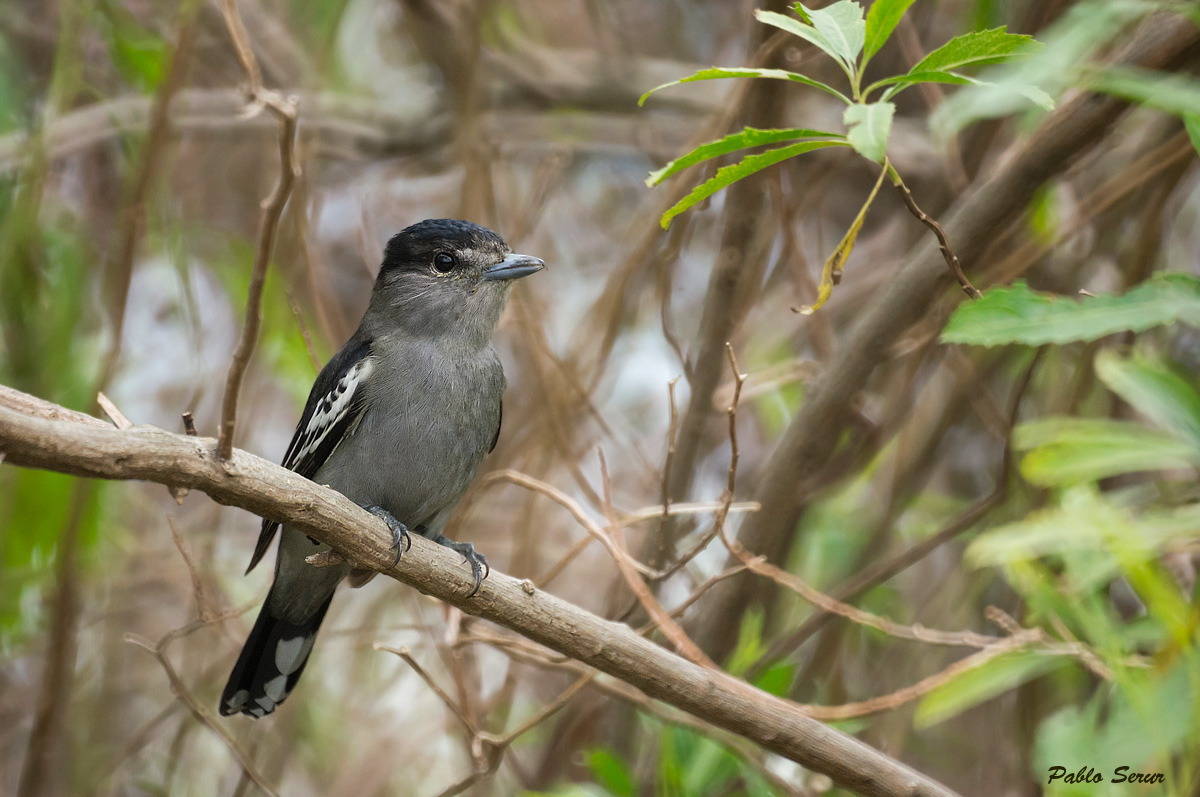
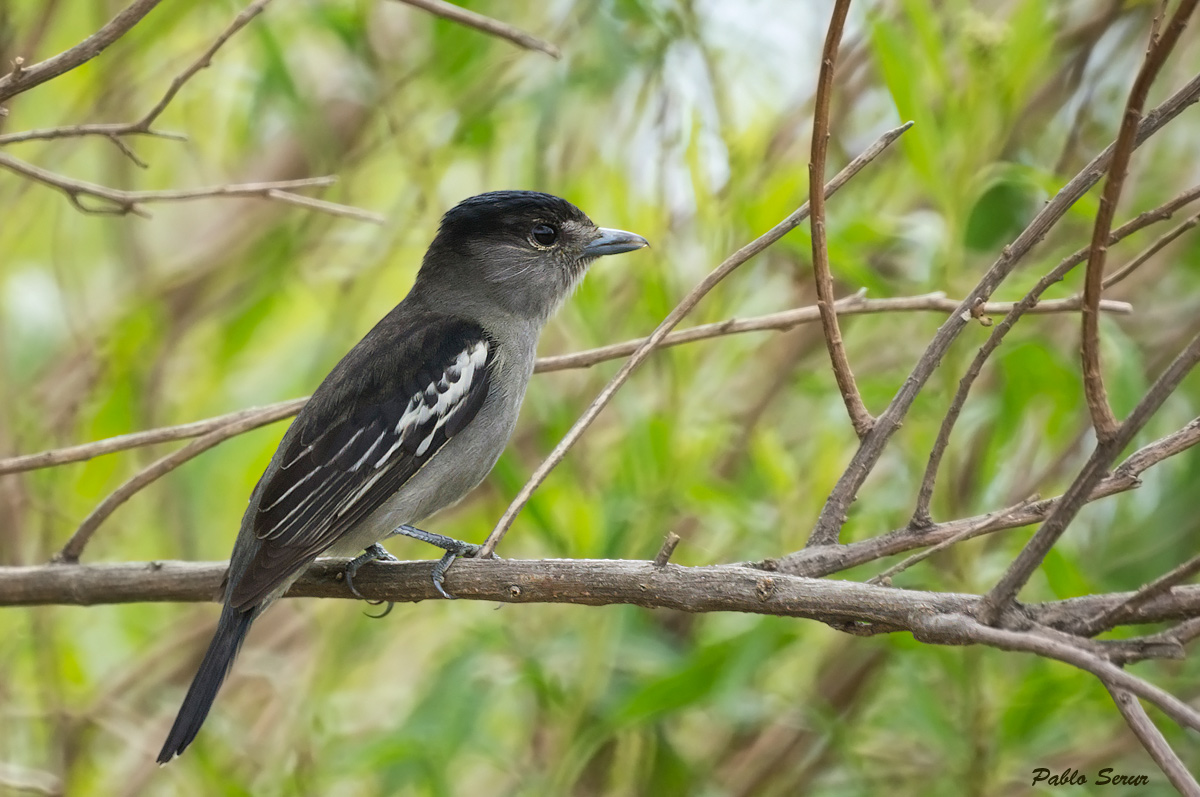
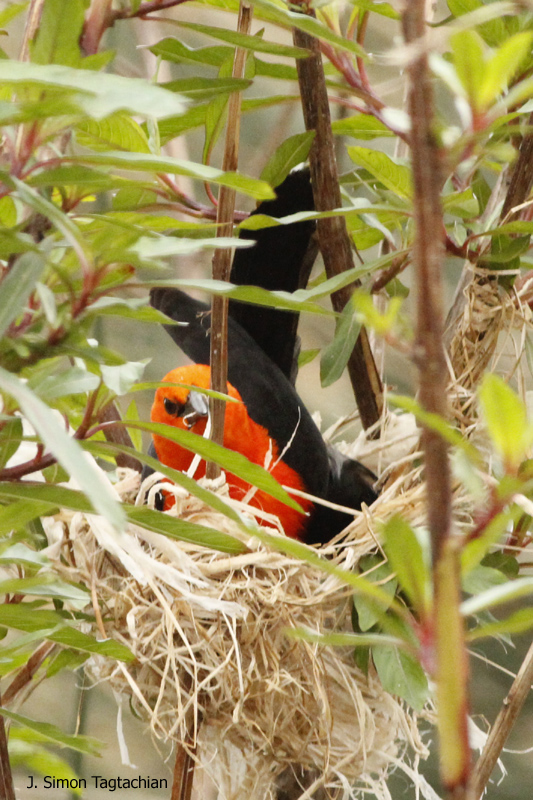
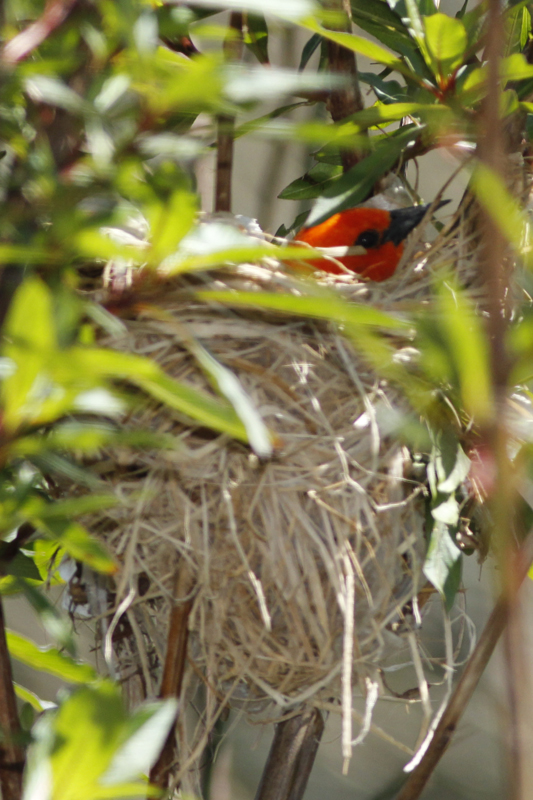
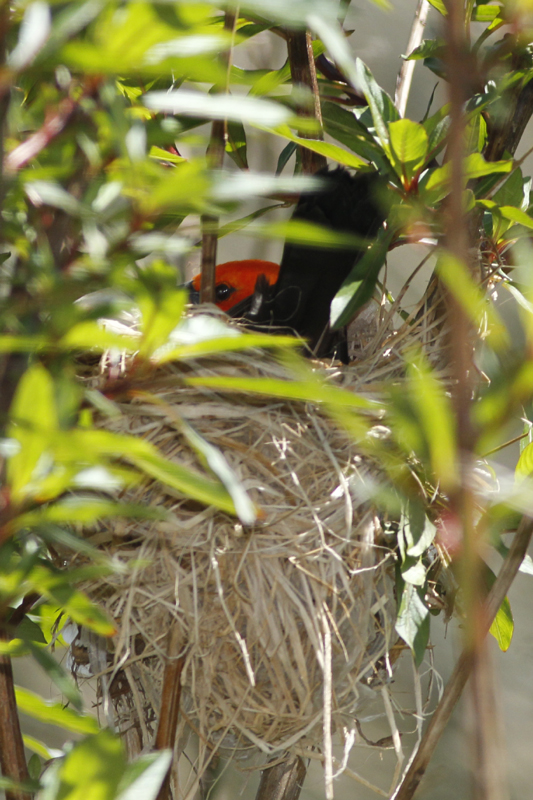
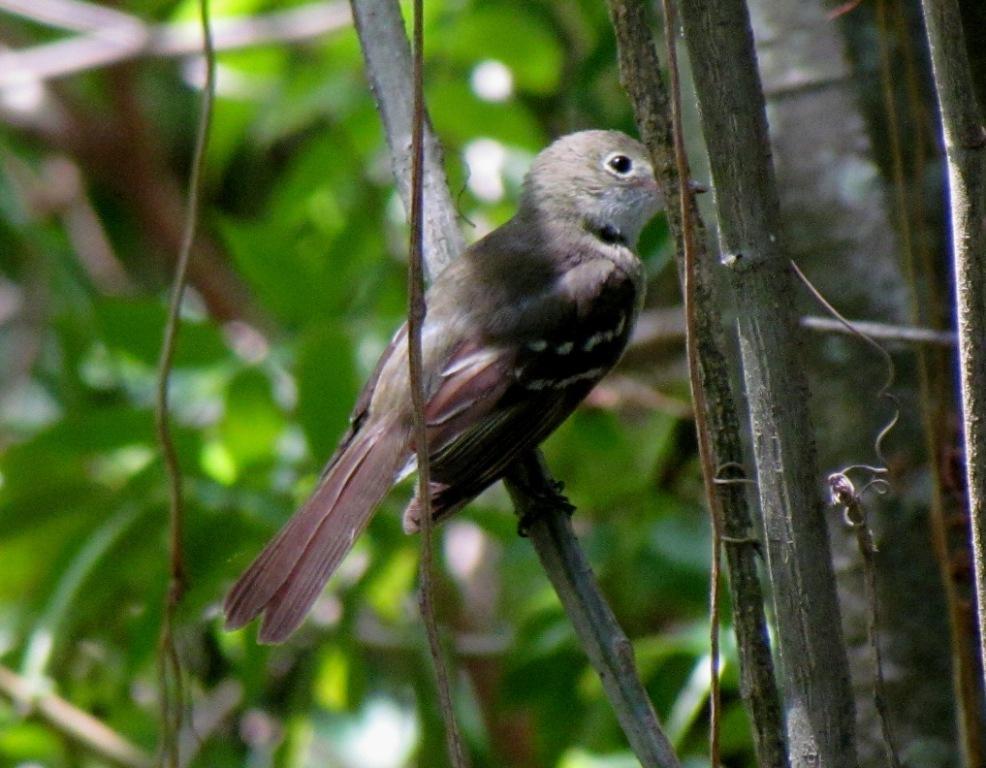
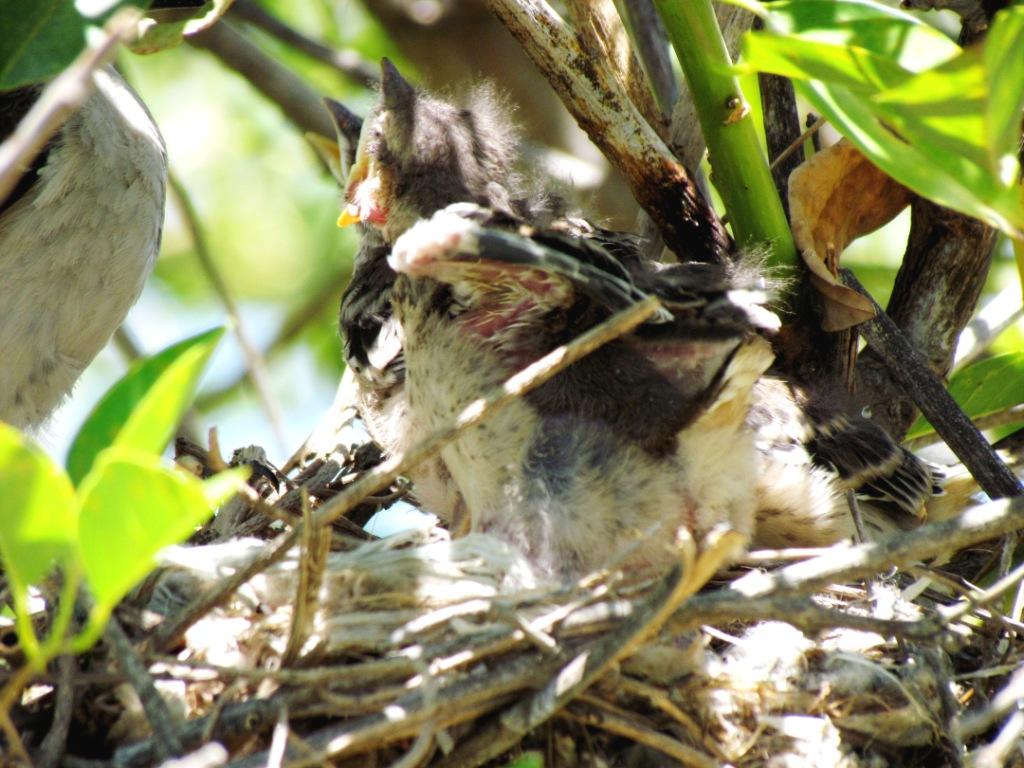
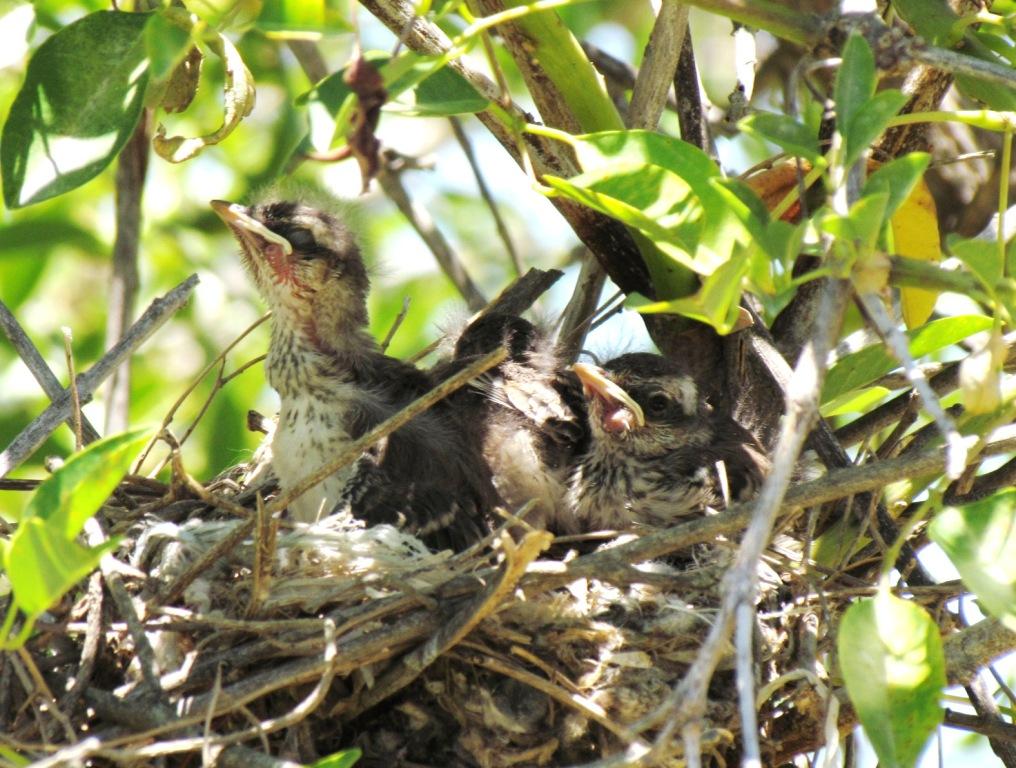
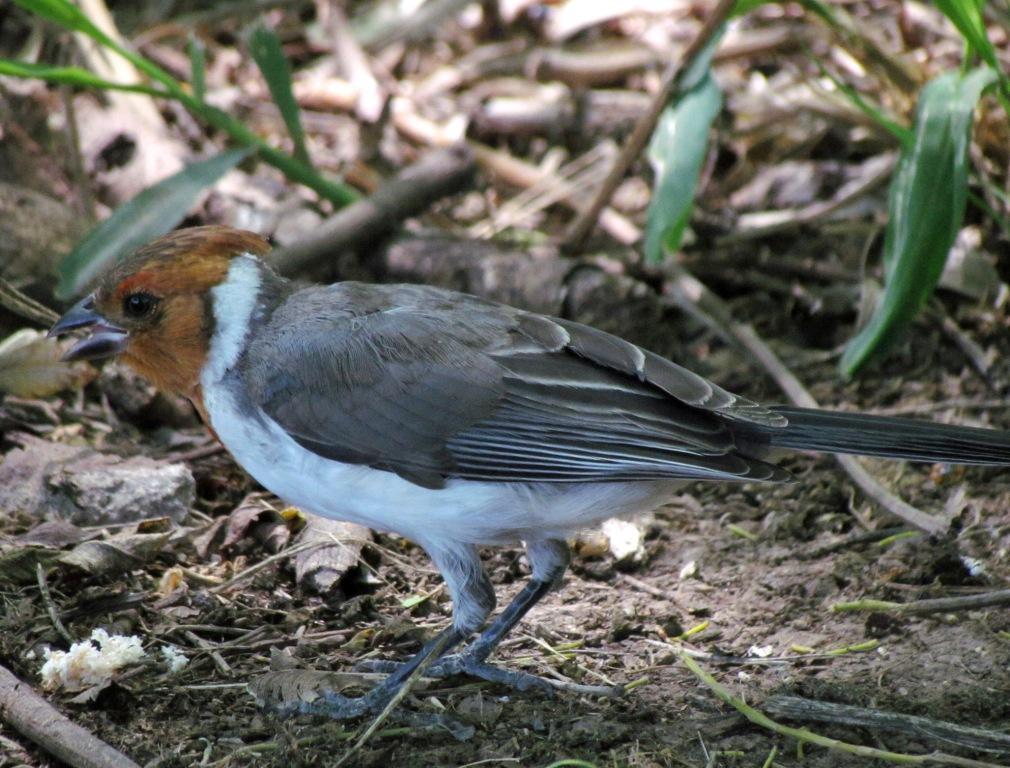
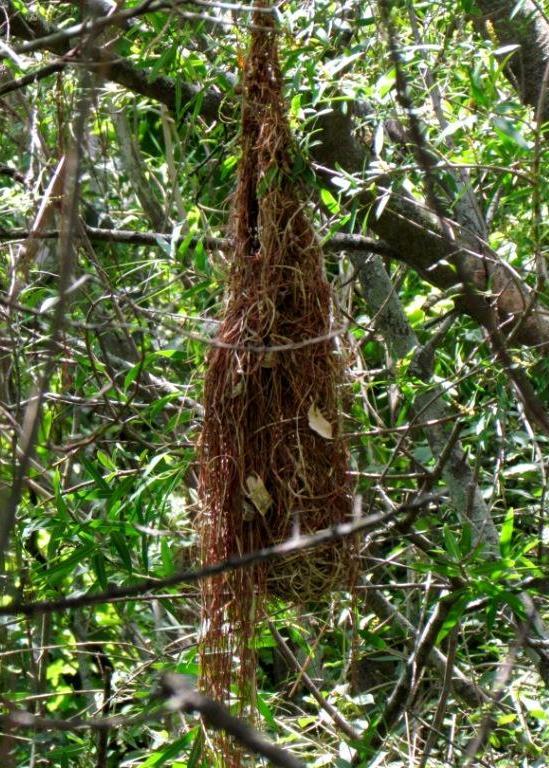
A species rarely seen at Costanera. This year the chotoy visited us and stayed to breed. The nest was very well camouflaged among the branches of a Roman cassie Acacia caven and covered with climbing plants on top. Its brownish colour and its distracting behaviour to go into or out of the nest made the follow up even more difficult. We did not see it leave and, all of a sudden, in it went. The movement of its long tail let us spot it. Some jumps from one branch to another and it got lost in the denseness. It moved so quickly that the video was slowed down to a quarter of the velocity and the bird encircled to be easily visualized. How many chicks? We do not know, but it made several trips to get food.
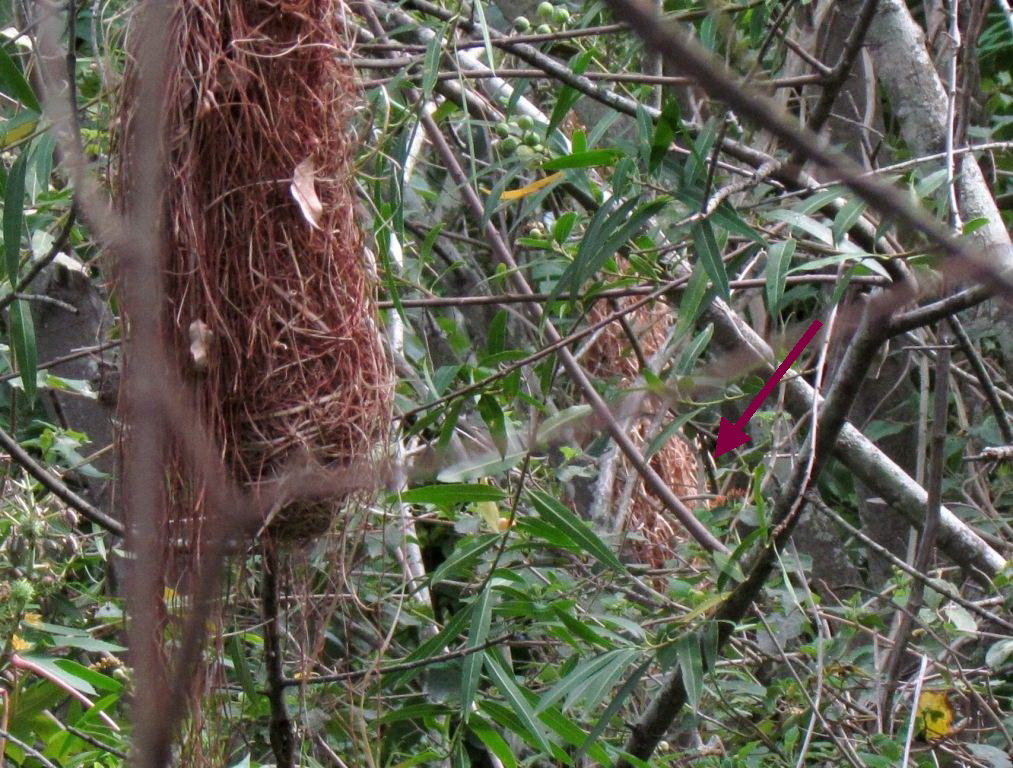
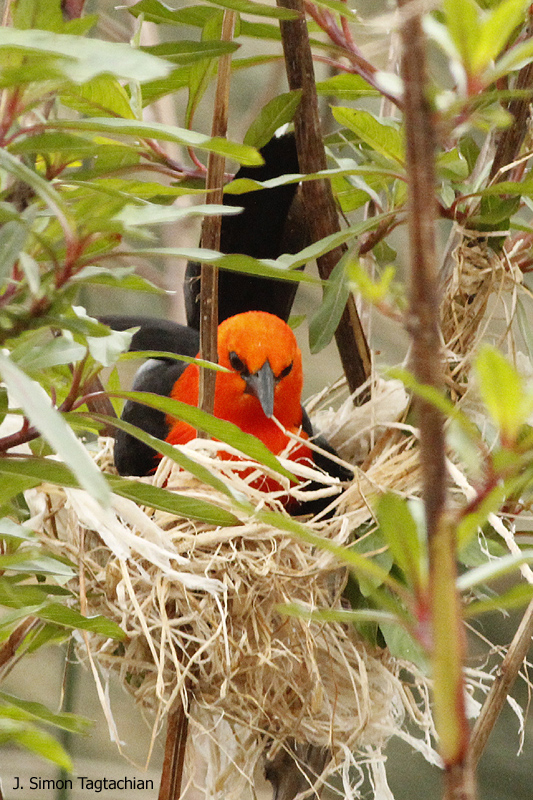
The nest on the left has already produced a clutch, being fed at the moment, but back right there is another nest....
| Old records, new bird species Released or escaped individuals |
| Eurasian Collared Dove Streptopelia decaocto 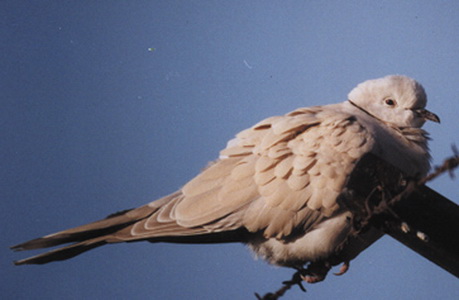 circa 2000 © Roberto Güller circa 2000 © Roberto Güller |
| Zebra Finch Taeniopygia guttata 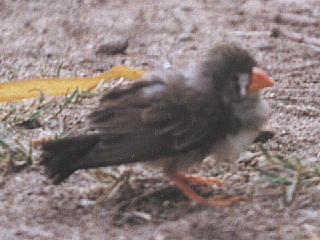 circa 2000 © Roberto Güller circa 2000 © Roberto Güller |
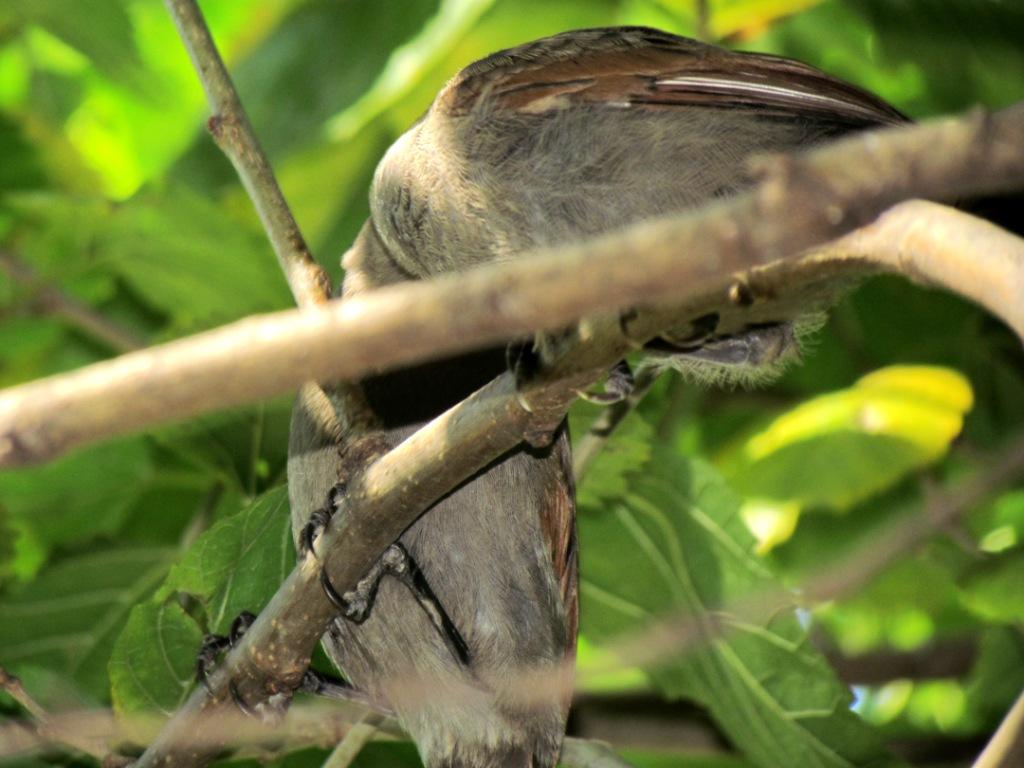
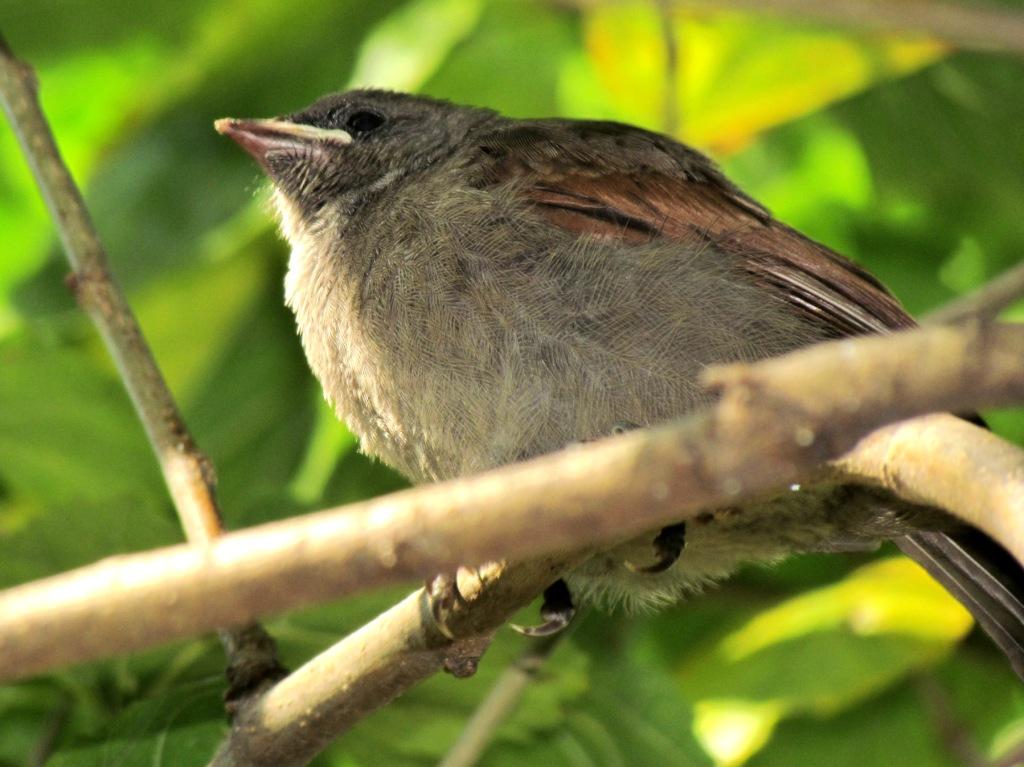
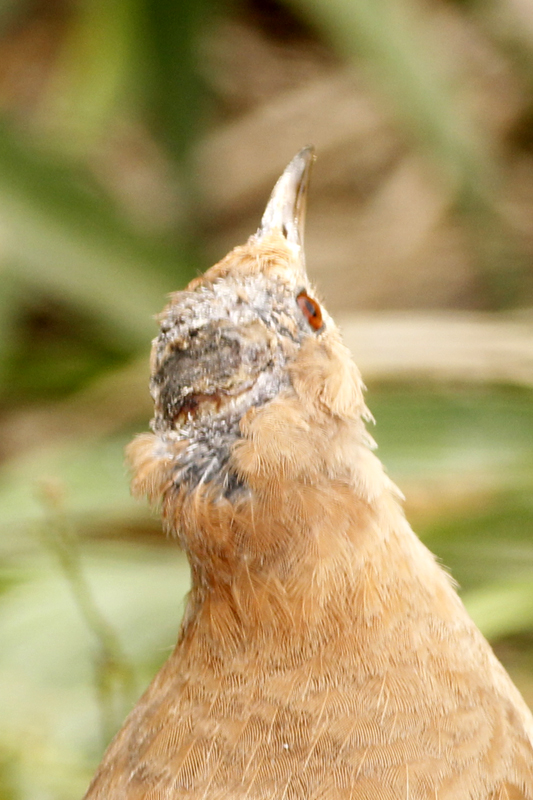
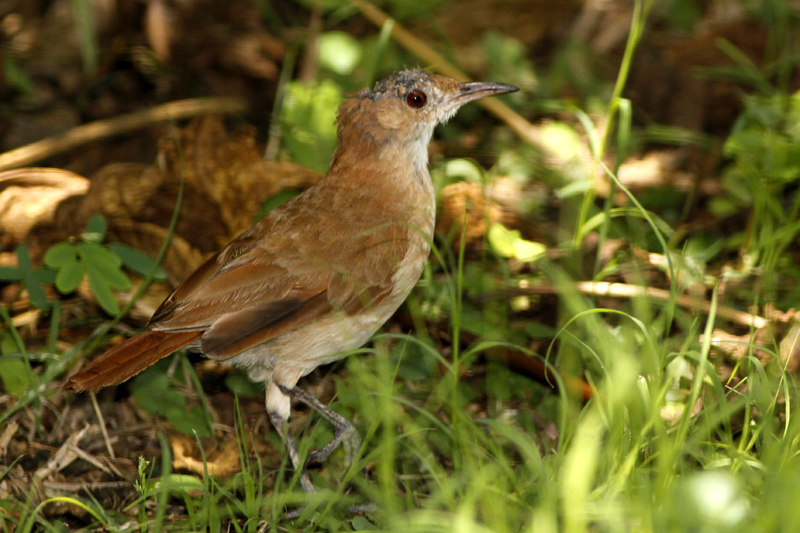
Every year we find shiny cowbird chicks being fed by foster parents. Here by the Rufous Hornero
| Old records, new bird species to the site Released or escaped individuals |
| Tropical Pewee Contopus cinereus 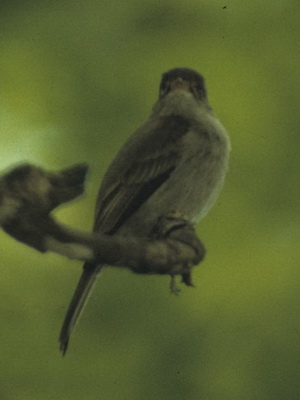 circa 2000 © Roberto Güller circa 2000 © Roberto Güller |
| Many-colored Chaco-Finch Saltatricula multicolor  circa 2000 © Roberto Güller circa 2000 © Roberto Güller |
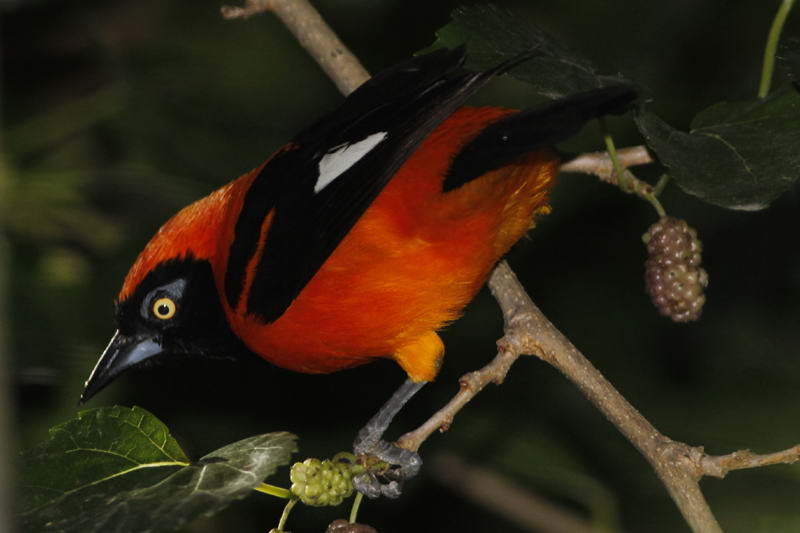
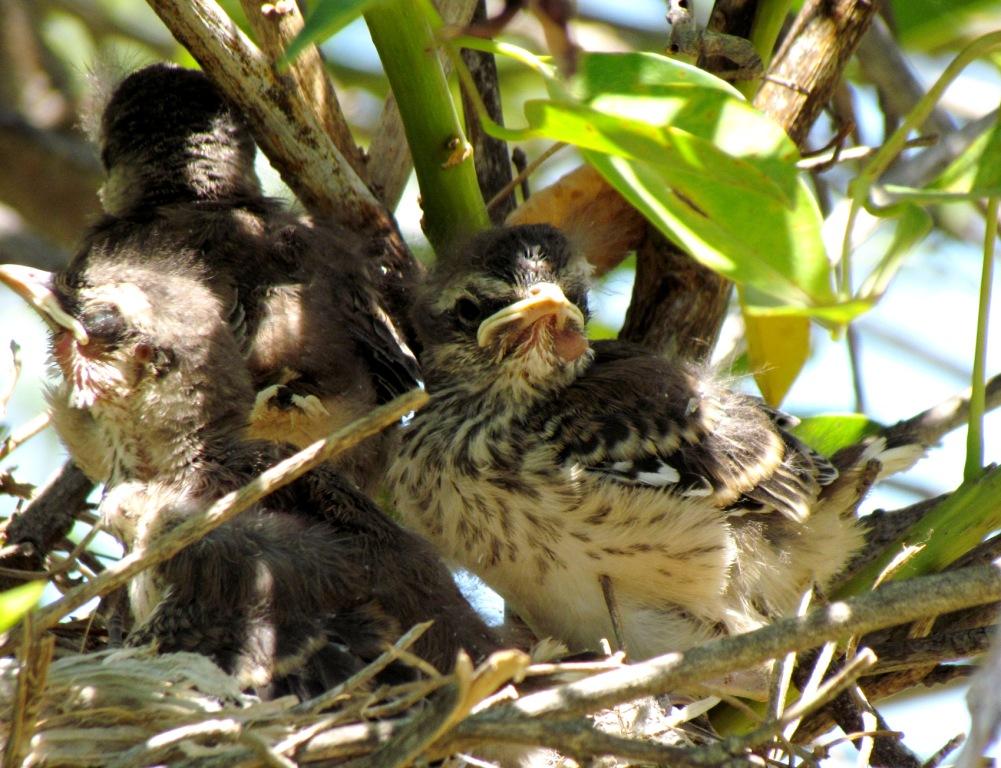
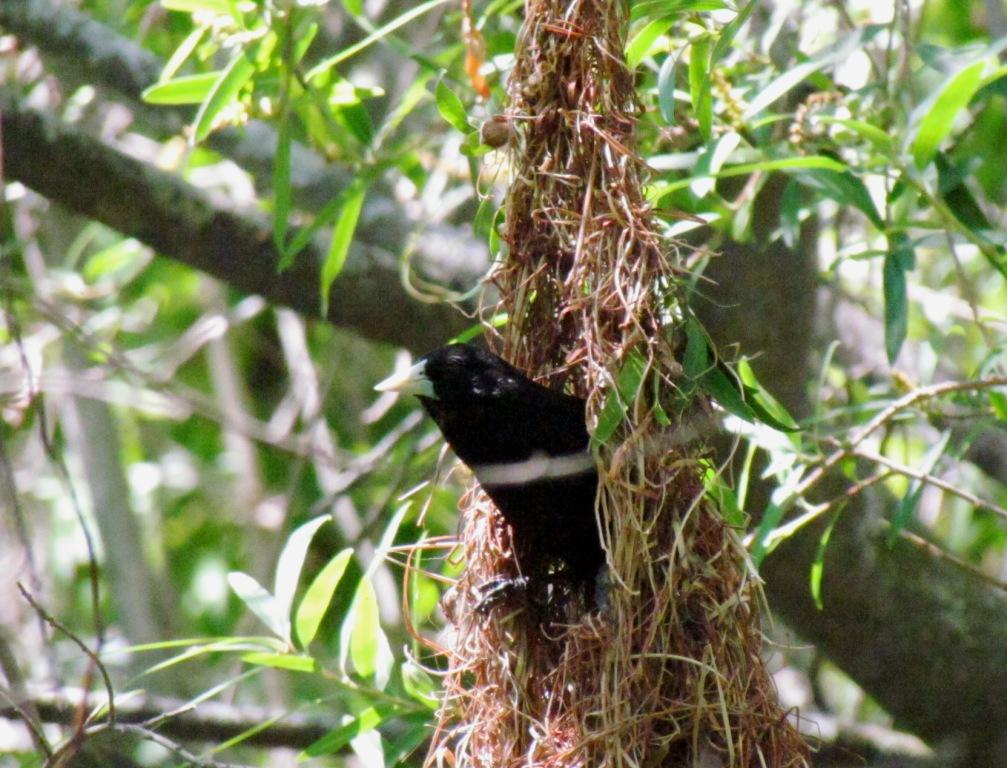
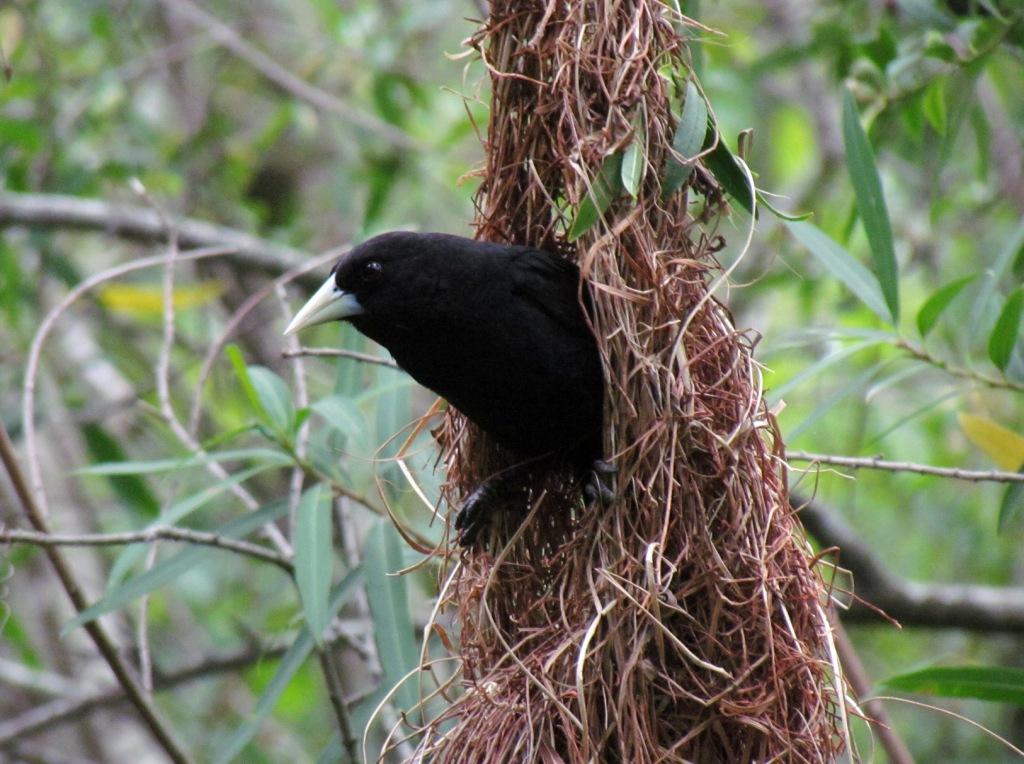
By 31 st they are already feeding chicks
| Video about the Reserve © Lucio Aquerreta |