Great Kiskadee
Pitangus sulphuratus © Carlos Gonzalez Ledo |
Neotropic Cormorant
Phalacrocorax brasilianus © Carlos Gonzalez Ledo |
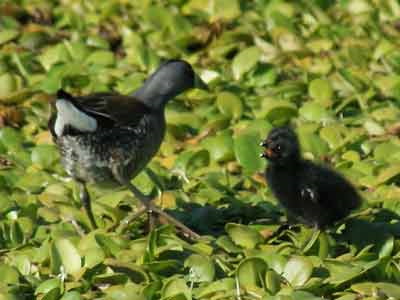
Spot-flanked Gallinule
Gallinula melanops Adulto con dos crías muy pequeñas.
© Claudia y Tito Di Mauro |
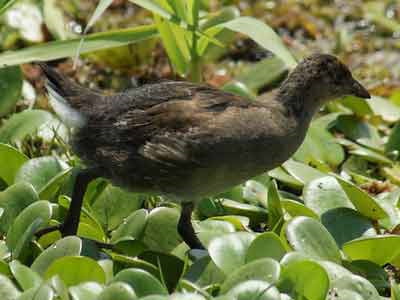
Spot-flanked Gallinule
Gallinula melanops Juvenil
© Claudia y Tito Di Mauro |
Striated Heron
Butorides striatus © Carlos Gonzalez Ledo |
Rufescent Tiger-Heron
Tigrisoma lineatum © Carlos Gonzalez Ledo |
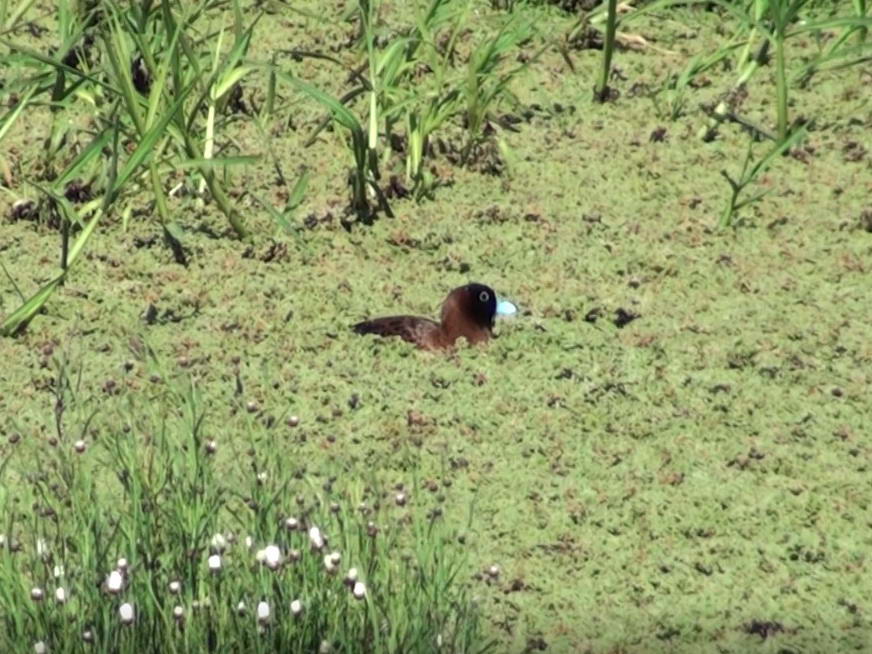
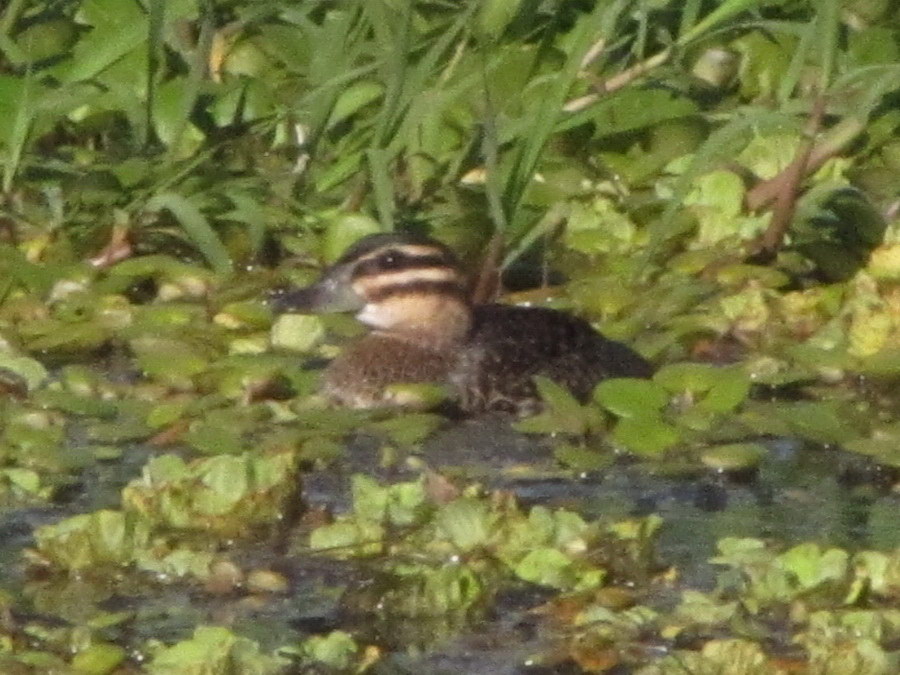
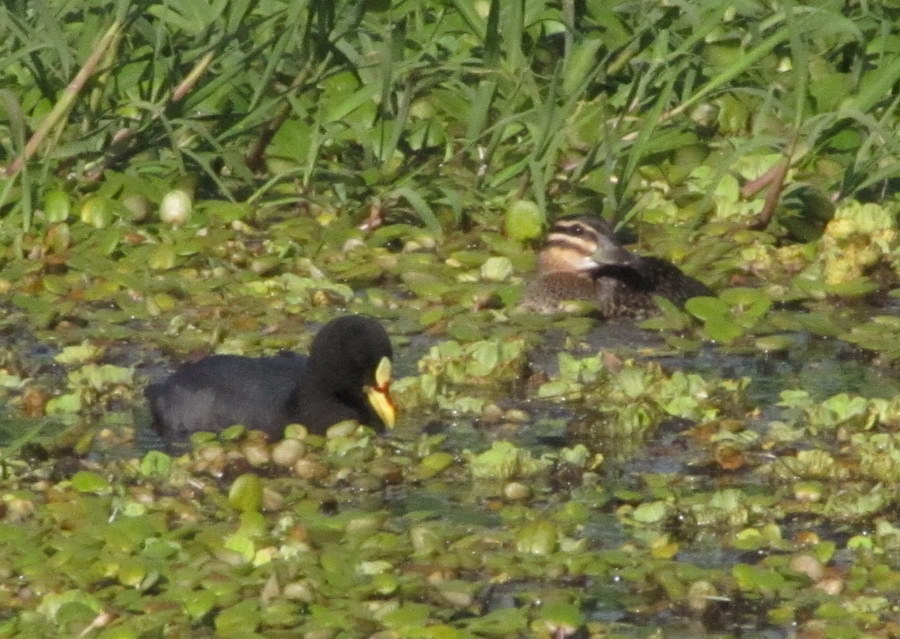
Masked Duck
Nomonyx dominica Female
© Claudia Furman |
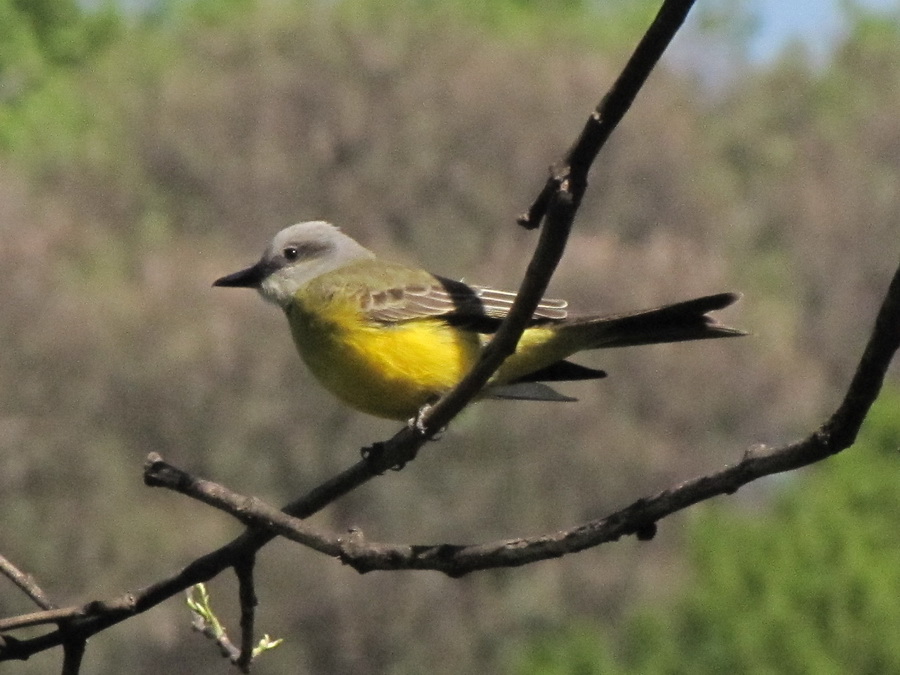
Tropical Kingbird
Tyrannus melancholicus First Kingbird photographed in the reserve
© Claudia Furman |
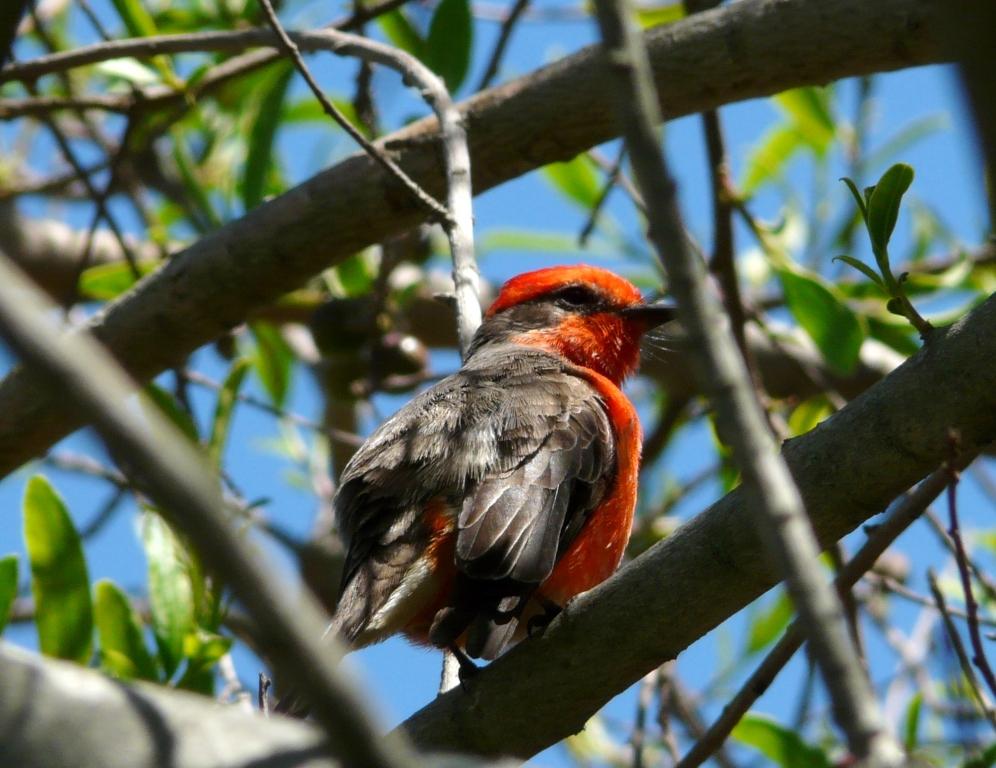
Vermilion Flycatcher
Pyrocephalus rubinus Male
© Carlos Gonzalez Ledo |
Solitary Cacique
Procacicus solitarius The same technique with an unusual meal. It inserts the bill and opens it to tear the piece of bread apart.
© Roberto Ares |
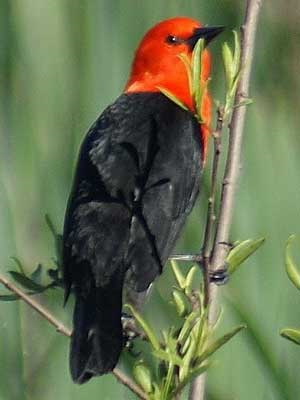
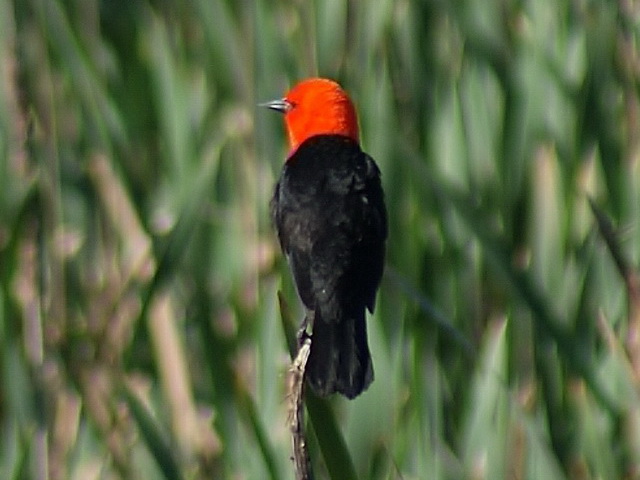
Scarlet-headed Blackbird
Amblyramphus holosericeus © Claudia y Tito Di Mauro |
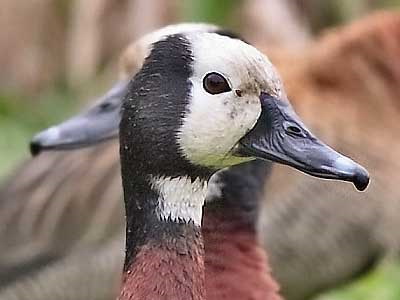
White-faced Whistling-Duck
Dendrocygna viduata Two structural characteristics of sievers can be identified in the bill of this White-faced Whistling-Duck. A flared maxilla at the tip and a highly developed nail. Sievers feed separating food particles from the water. The lamellae, thin plates which line the edges of the bill, function like a strainer. They let water out and retain material food.
© José Luis Merlo |
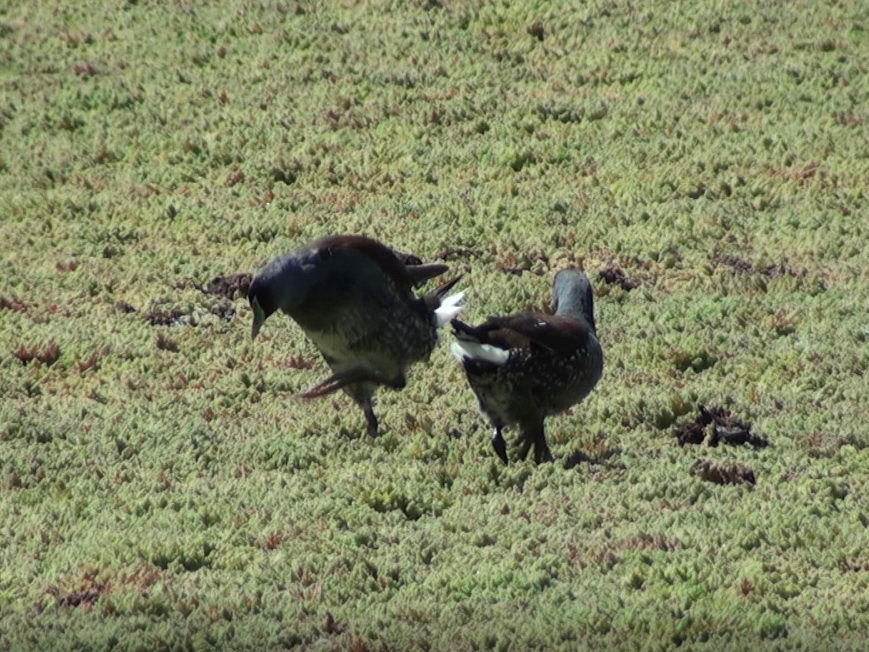
Spot-flanked Gallinule
Gallinula melanops Courtship display: The female stimulates the male showing receptiveness. With the back arched, the rigid wings a bit raised as if touching the tips at the back and the head lowered. The male perceives the female´s disposition and follows her.
They engage in a merry-go-round movement and after three turns the female stops to be mounted.
© Roberto Ares |
Spot-flanked Gallinule
Gallinula melanops The female does not dip the head into the water. As the action is finished the female goes away with a wing shuffling. The male makes a bow display arching his body and lowering the head.
© Roberto Ares |
Fulvous Whistling-Duck
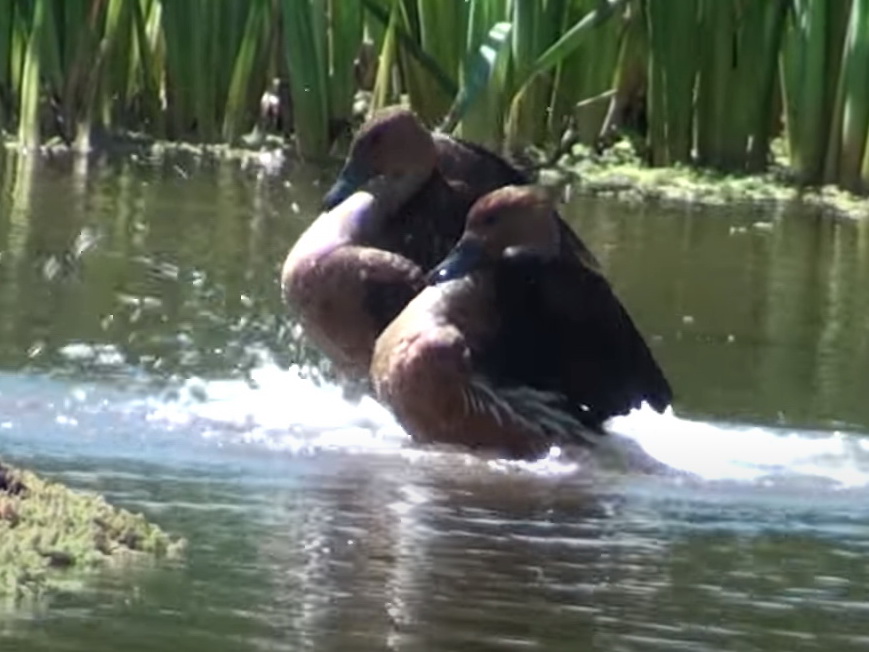
Dendrocygna bicolor Unluckily the scene was captured once it had begun and it was not possible to document the existence of courtship displays prior to mating. During mating the female remains under water and the male holds her by the head. After copulation both celebrate with a short but vigorous water treading as they rise parallel sticking their chests out and keeping their half-folded wings raised.
© Roberto Ares |
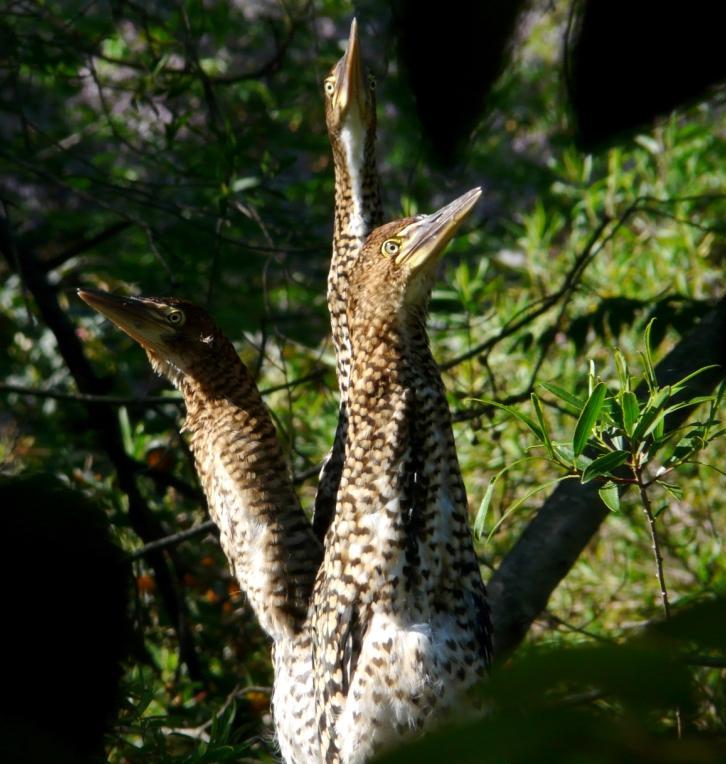
Rufescent Tiger-Heron
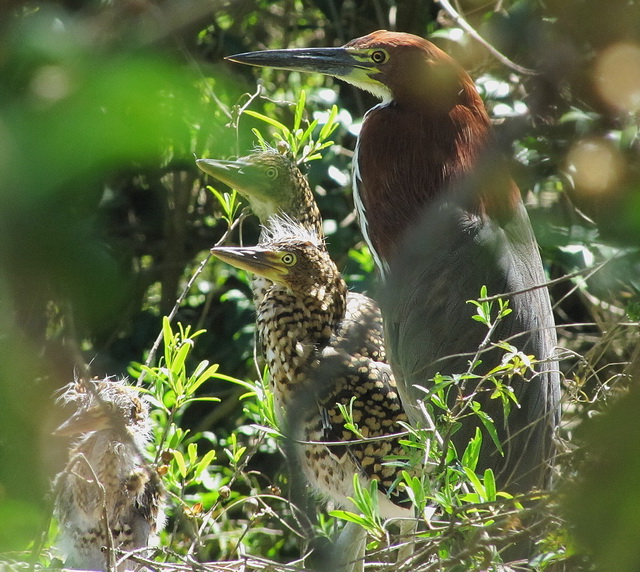
Tigrisoma lineatum Three chicks in three different sizes. This is because Tiger-Herons, unlike most bird species, begin to incubate immediately after the egg is laid. Since the eggs take the same number of days to develop they hatch staggeredly. This is known as asynchronous hatching and accounts for the difference in size. The oldest chick is almost a month old.
© Claudia y Tito Di Mauro |
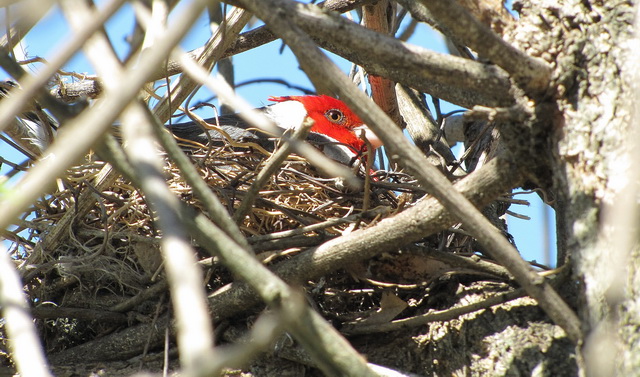
Red-crested Cardinal
Paroaria coronata In nest
© Claudia y Tito Di Mauro |
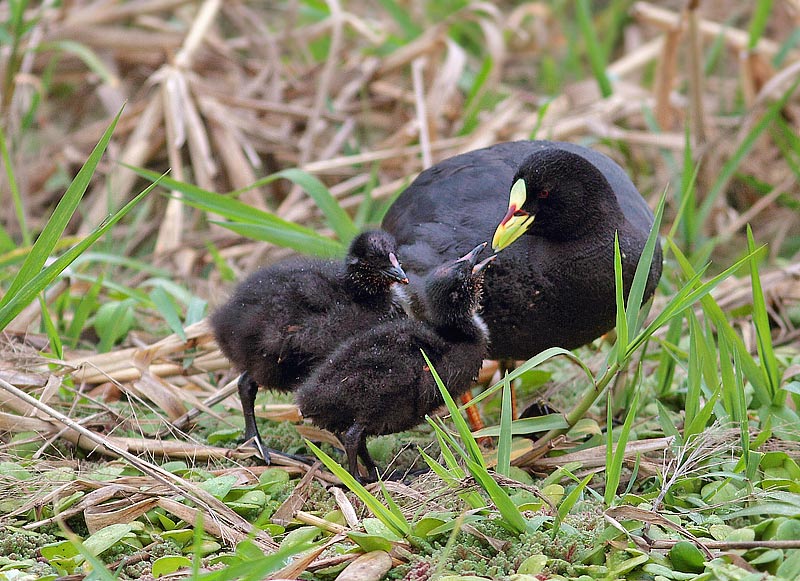
Red-gartered Coot
Fulica armillata Feeding the chicks
© José Luis Merlo |
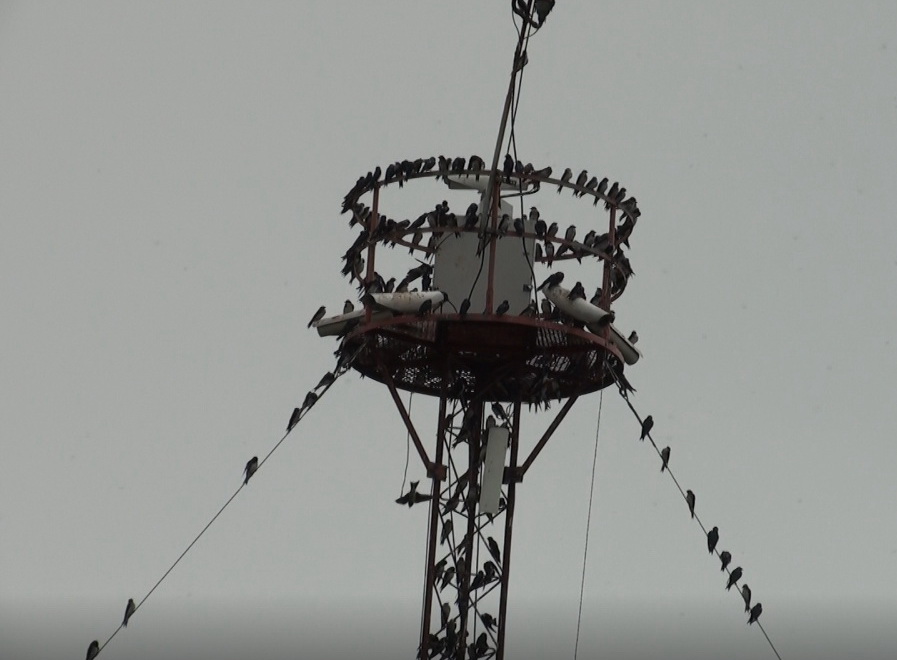
Gray-breasted Martin
Progne chalybea Gray-breasted Martins have arrived …
© Roberto Ares |
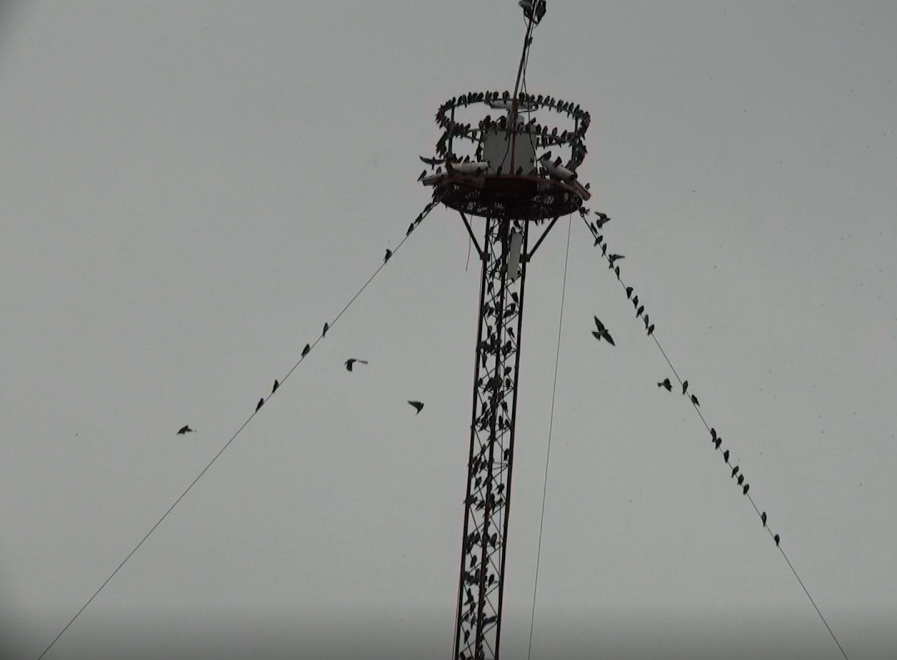
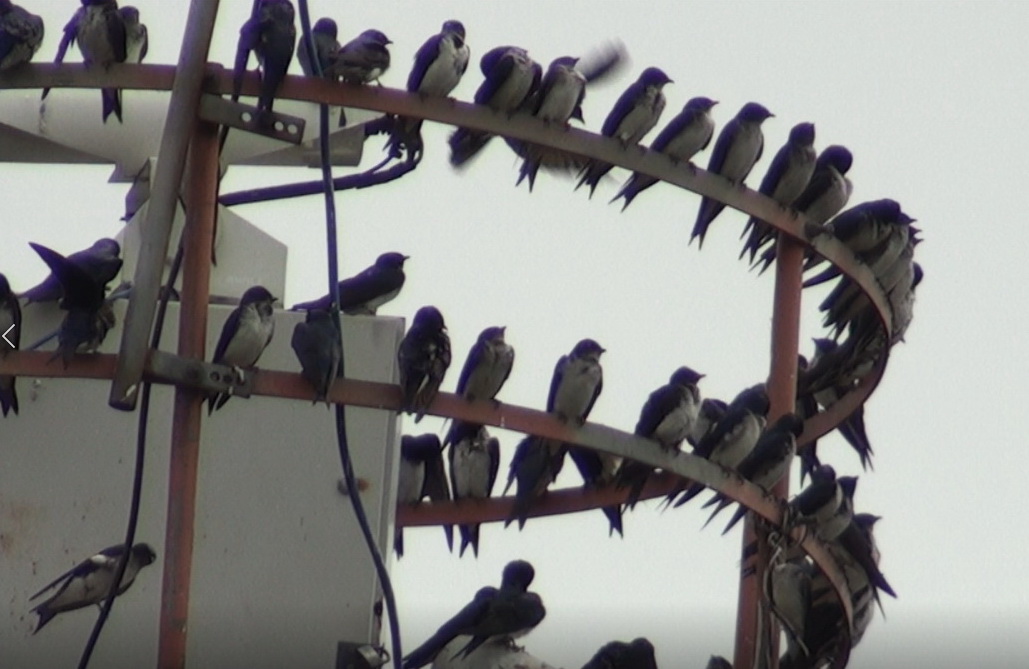
Gray-breasted Martin
Progne chalybea …and packed the antenna, the meeting place.
© Roberto Ares |
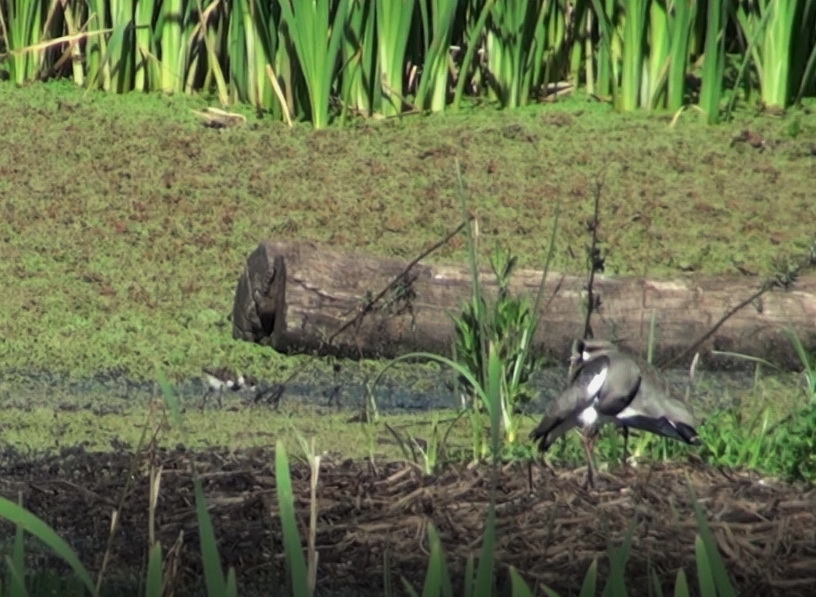
Southern Lapwing
Vanellus chilensis We did not spot the nest but here is the proof. One of the two chicks, very well camouflaged, under the adult’s supervision.
© Roberto Ares |
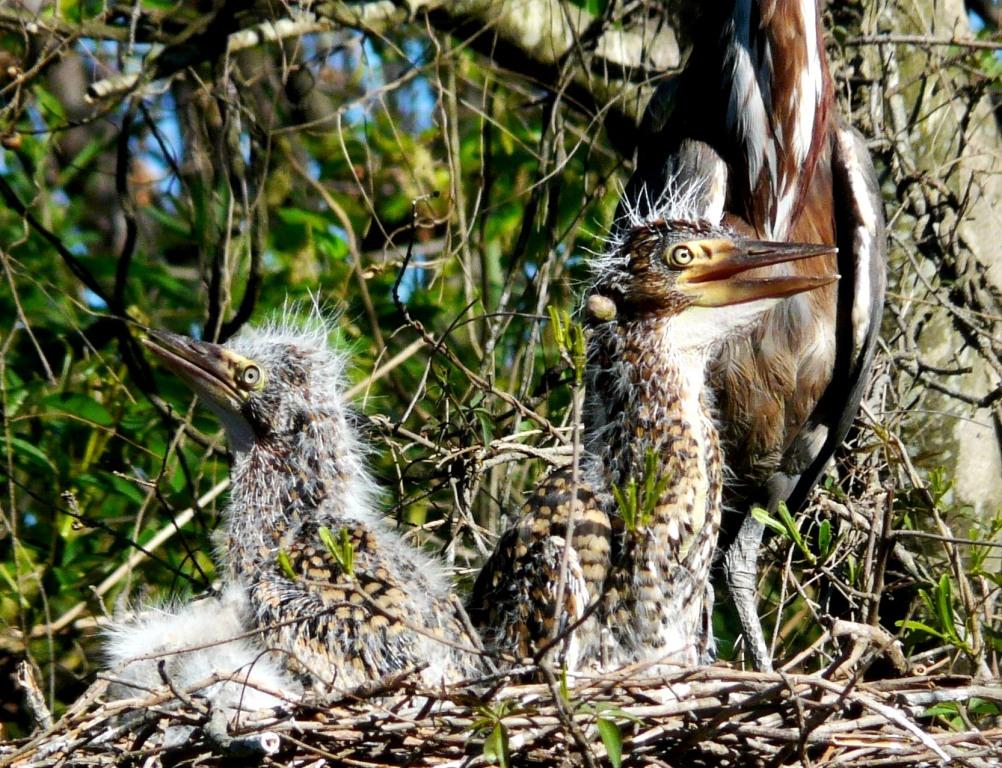
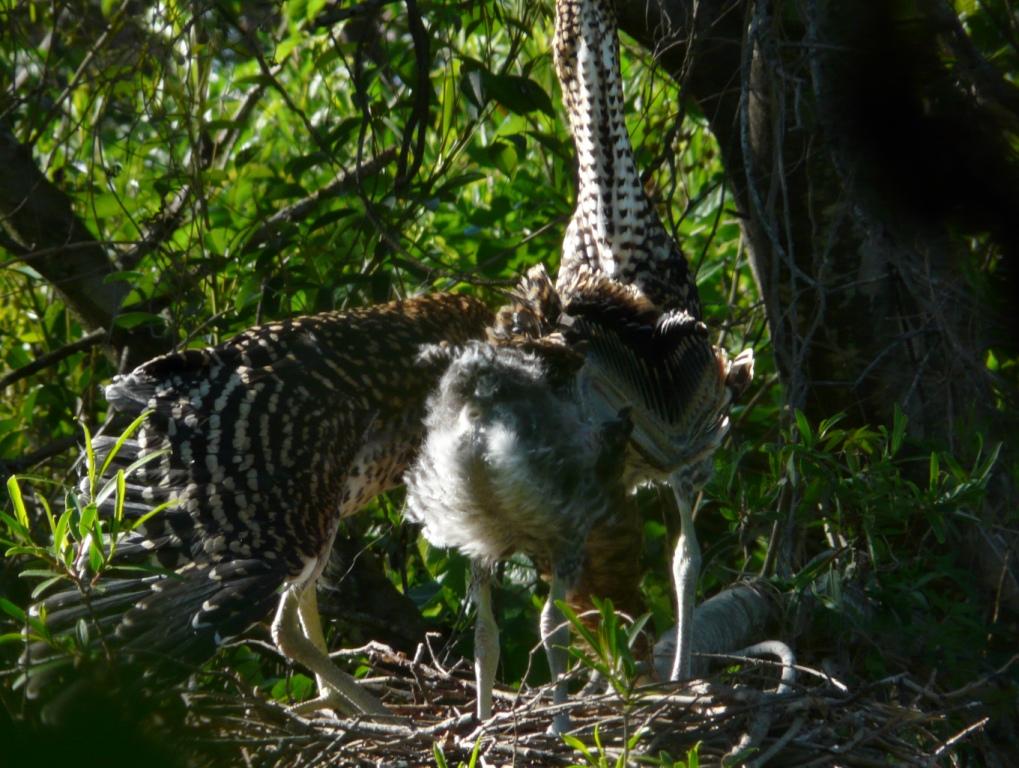
Rufescent Tiger-Heron
Tigrisoma lineatum Following the development of the heron chicks. They are three weeks old.
© Carlos Gonzalez Ledo |
Lake Duck
Nomonyx dominica Male
© Roberto Ares |
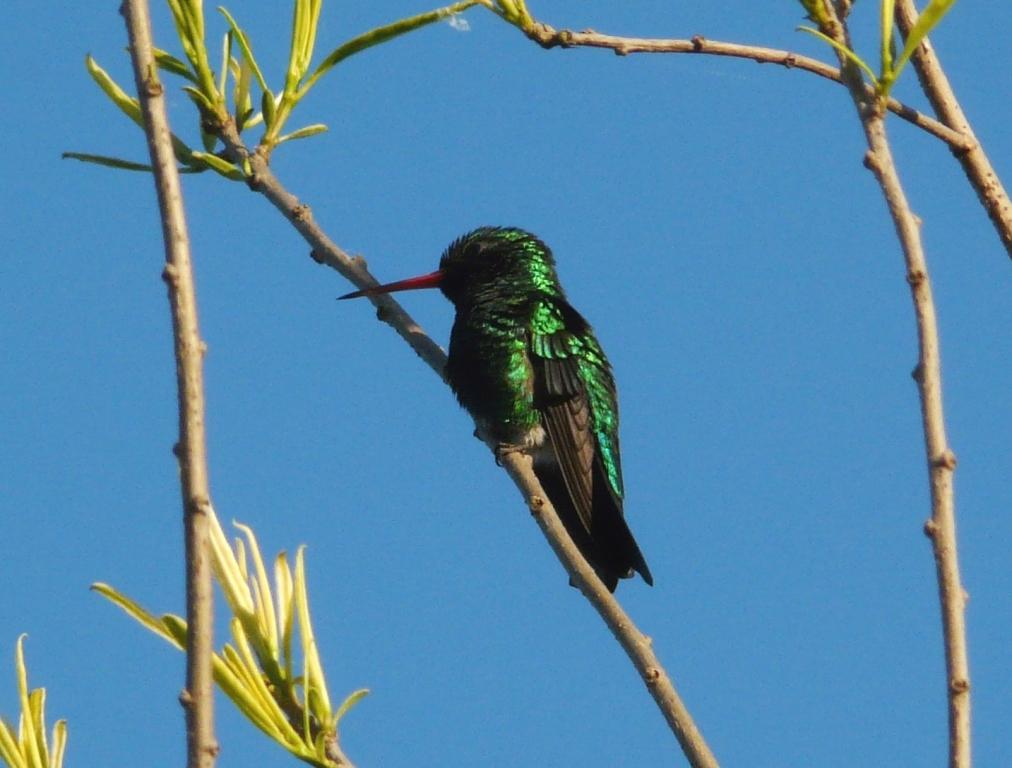
Glittering-bellied Emerald
Chlorostilbon aureoventris Male
© Carlos Gonzalez Ledo |
Comments