Solitary Cacique
Procacicus solitarius
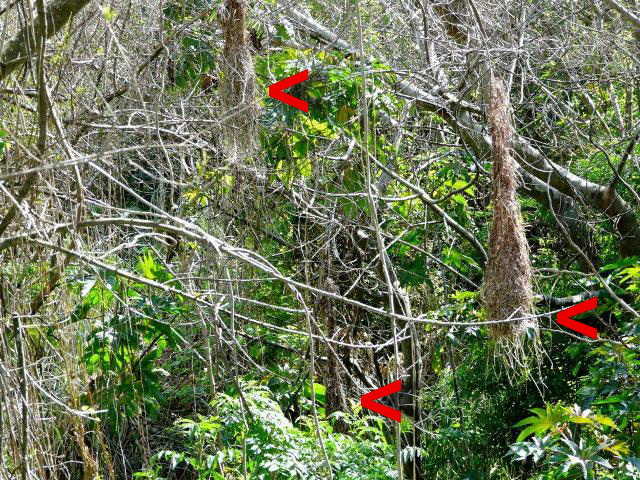
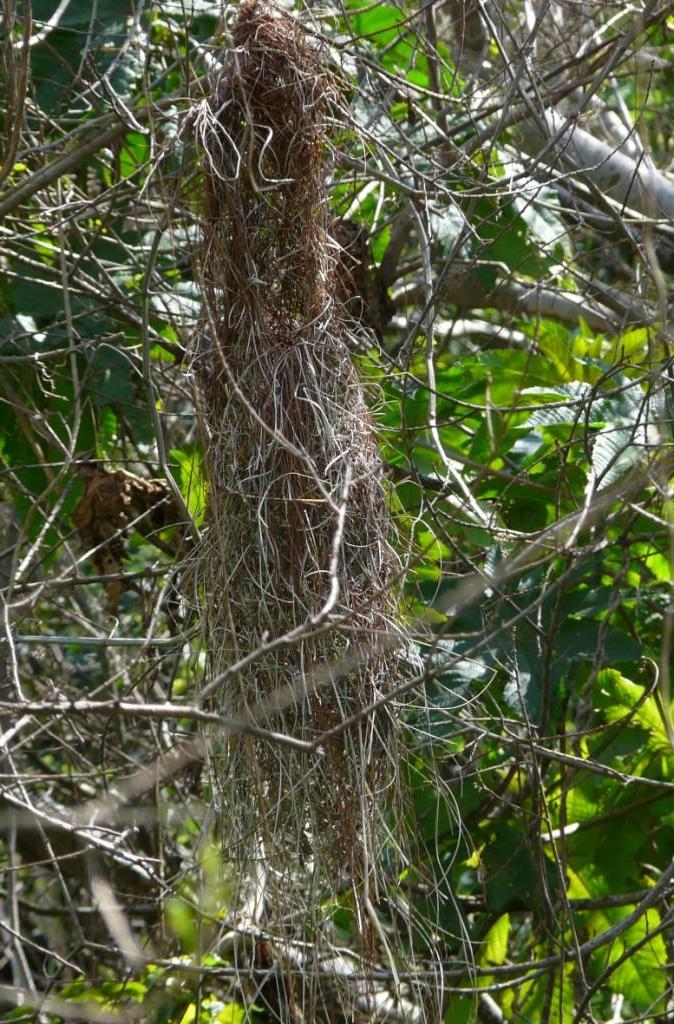
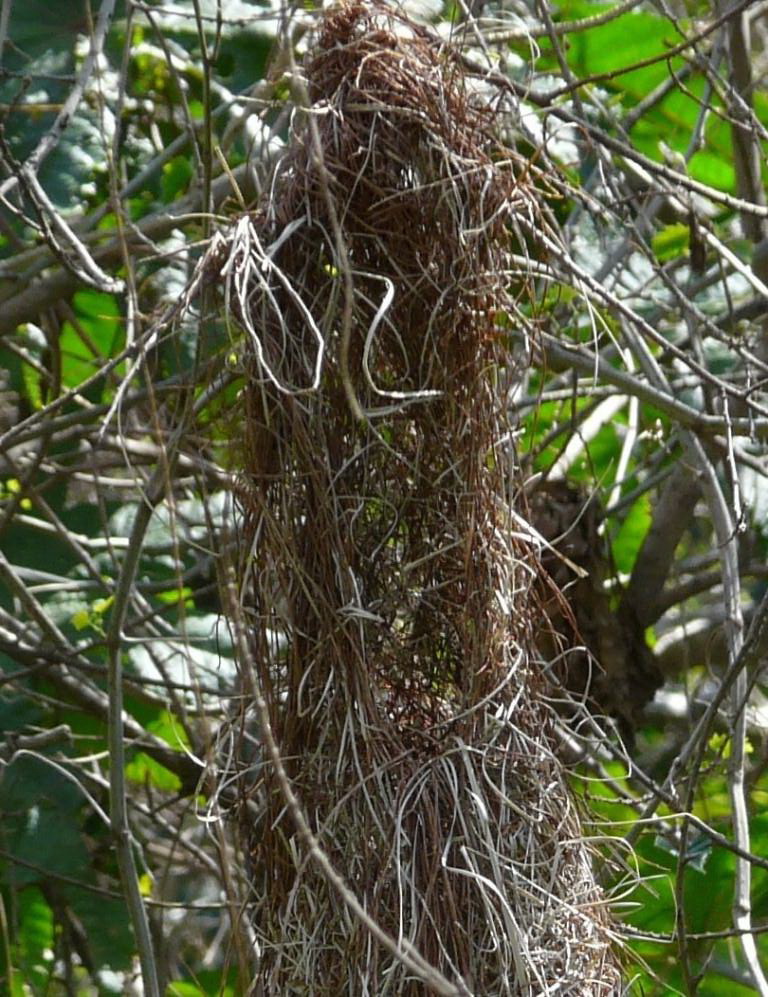
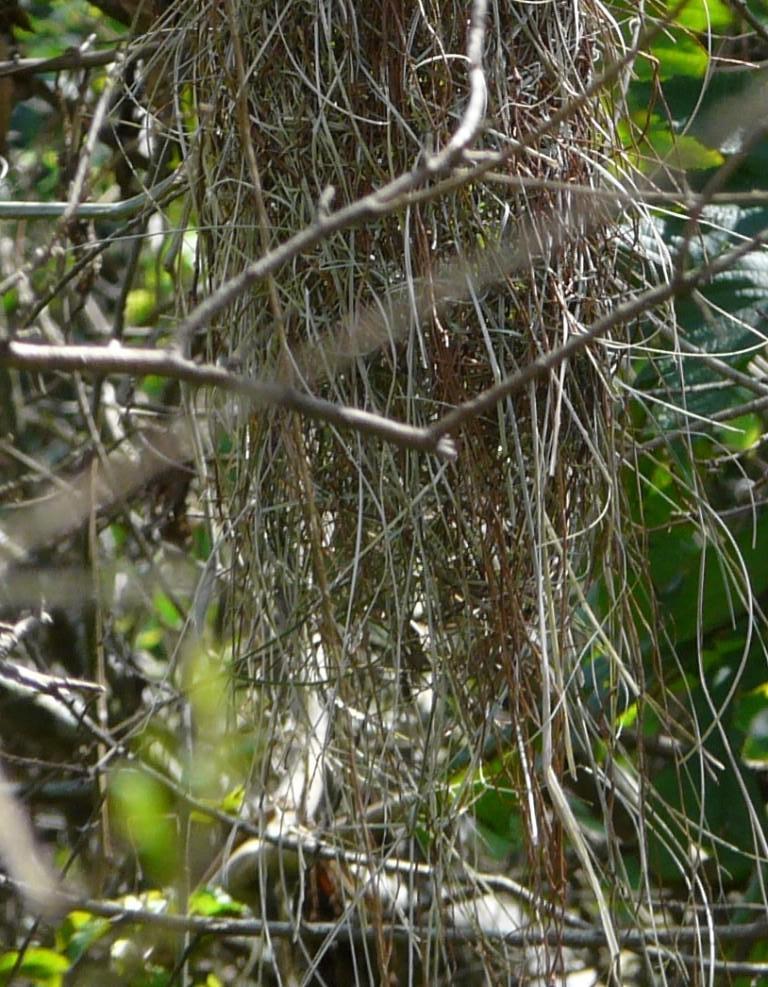
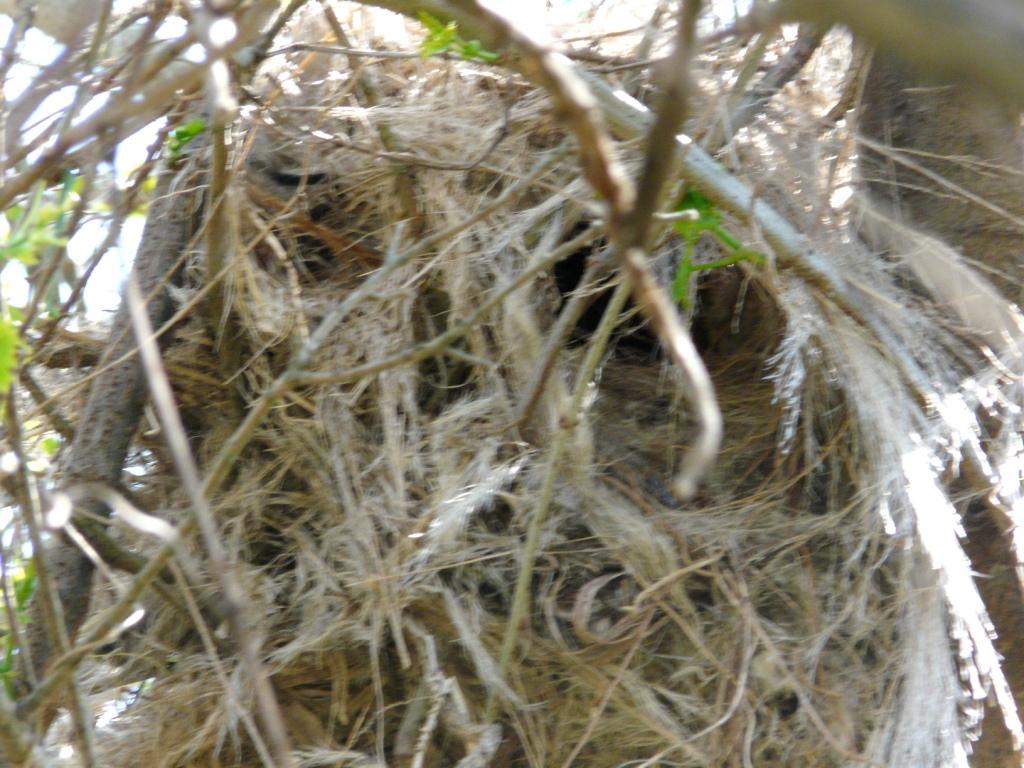
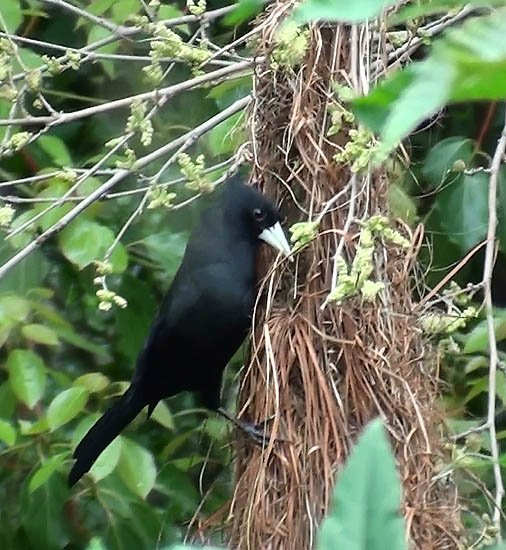
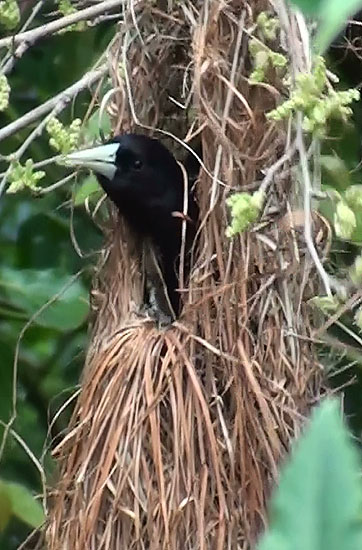
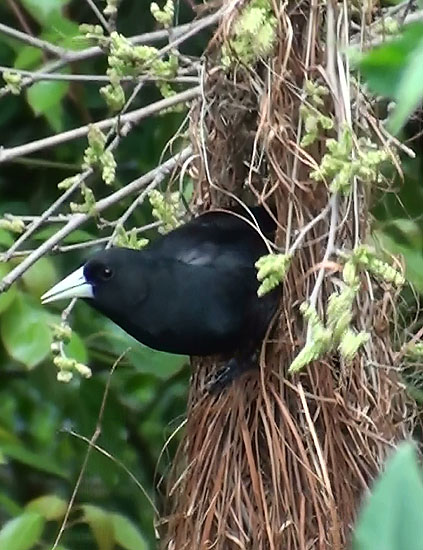
Nido Boyero negro/Solitary Cacique NestNido Boyero negro/Solitary Cacique Nest
New nest of Solitary Cacique. Left: The nest seems finished. However, a close-up shows it is still not compact. It needs further weaving.
© Carlos Gonzalez Ledo
Nido Boyero negro/Solitary Cacique NestYear after year the Cacique has chosen this place to nest. Two other inactive nests hang very close to the new one (top).
© Carlos Gonzalez Ledo
Great Kiskadee
Pitangus sulphuratus
Nido Benteveo/Great Kiskadee Nest© Carlos Gonzalez Ledo
Whistling Heron
Syrigma sibilatrix
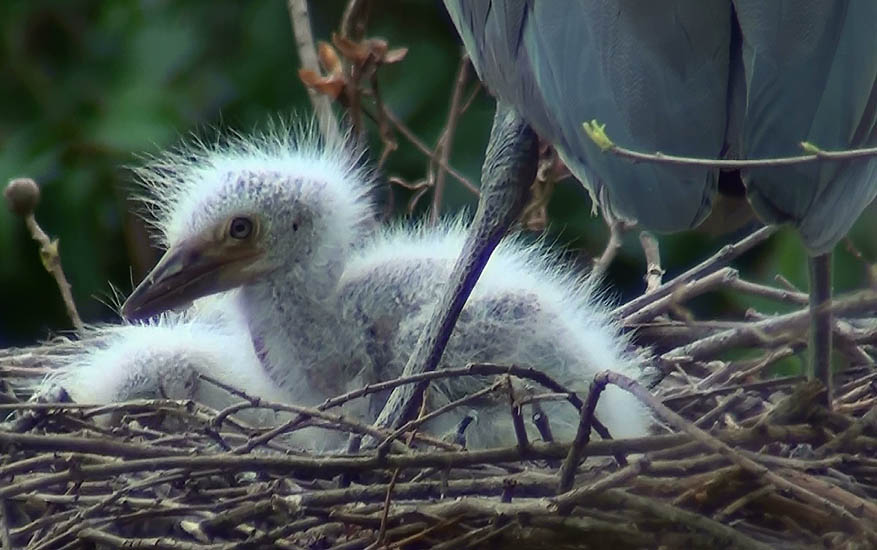
Chiflón/Whistling Heron© Roberto Ares
Great Grebe
Podiceps major
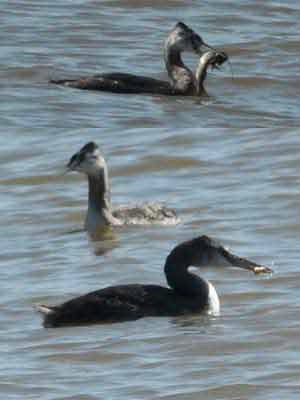
Macá grande/Great Grebe© Carlos Gonzalez Ledo Macá grande/Great GrebeOn Sunday 26th almost 30 Great Grebes were observed along the coast. As the tide was high some ventured near the reeds to catch fish and were lucky. It seemed there was plenty of fish to forage. The group was composed of juveniles and adults.
On Sunday 3rd fewer specimens were observed. The tide was much lower, so they were farther from the coast.

© Roberto Ares
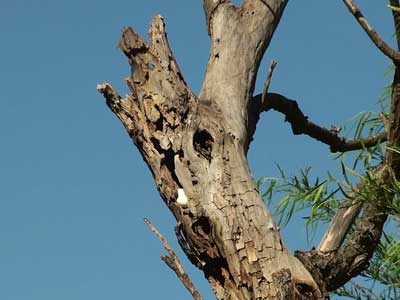
Mistery Egghuevo/eggHow did this egg reach the bottom of this hole without breaking? It is the size of a chicken egg.
© Roberto Ares
Southern-crested Caracara
Caracara plancus
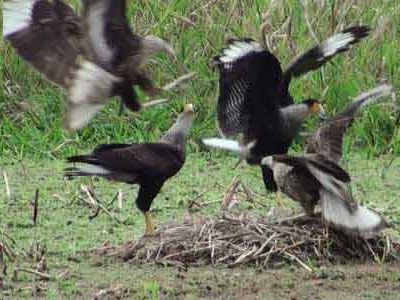
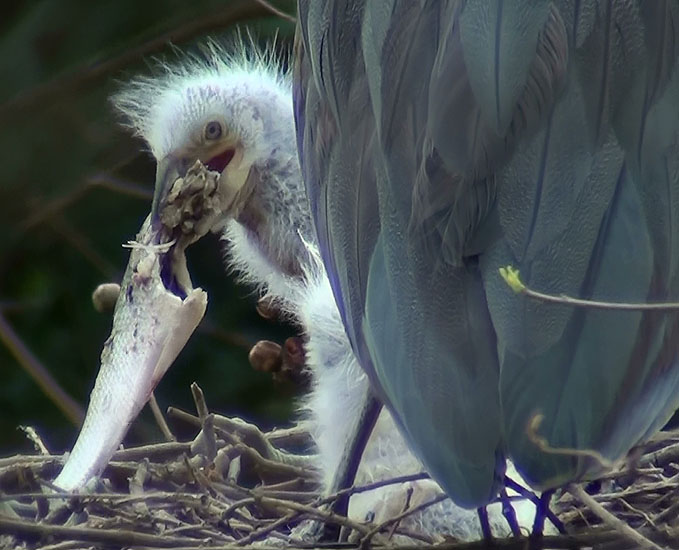
Carancho/Southern-crested CaracaraExcitement among caracaras. Nine of them were flying over the area. They chased each other, landed on the ground and flew off, showed signals to mate. A group of adults and juveniles as can be seen in the photo.
© Roberto Ares
Rufescent Tiger-Heron
Tigrisoma lineatum
Hocó colorado/Rufescent Tiger-Heron© Jorge García Vicente Hocó colorado/Rufescent Tiger-Heron© Jorge García Vicente
Solitary Cacique
Procacicus solitarius
Boyero-negro/Solitary Cacique© Jorge García Vicente
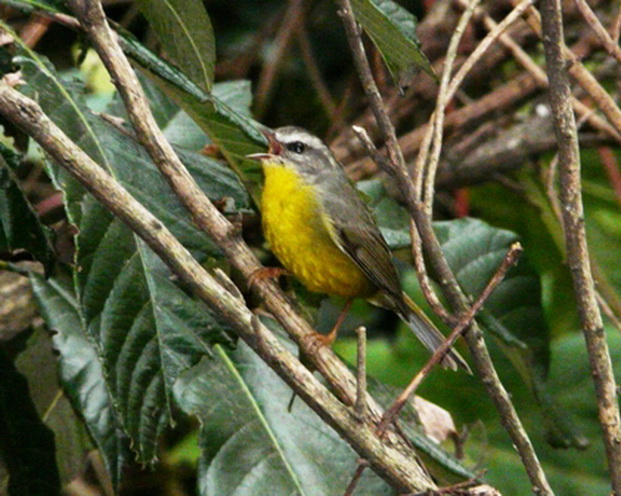
Golden-crowned Warbler
Basileuterus culicivorus
Arañero-coronado-chico/Golden-crowned Warbler© Carlos Gonzalez Ledo
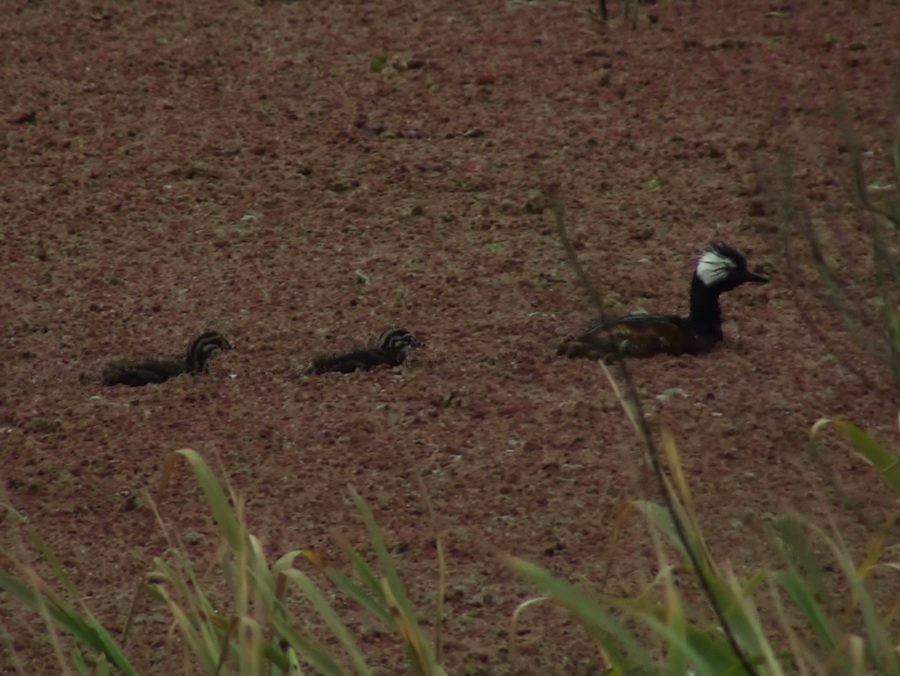
White-tufted Grebe
Rollandia rolland
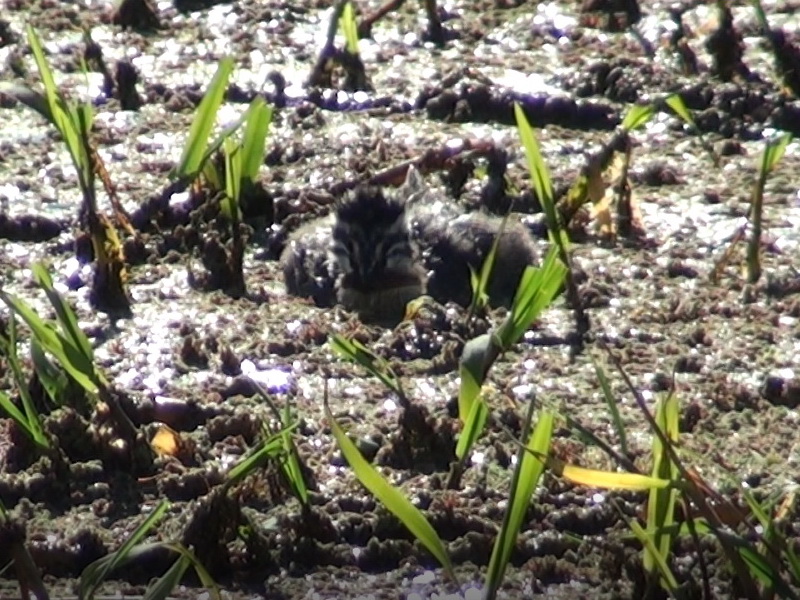
Macá-común/White-tufted GrebeThis family was photographed for the first time at the beginning of August. Bottom left: one of the chicks a month later (5/9). Although it still has the appearance of a youth, it is no longer dependent on its parents. These began building a new nest that same day. By the following week they were already incubating the eggs (Bottom right photo).
© Roberto Ares
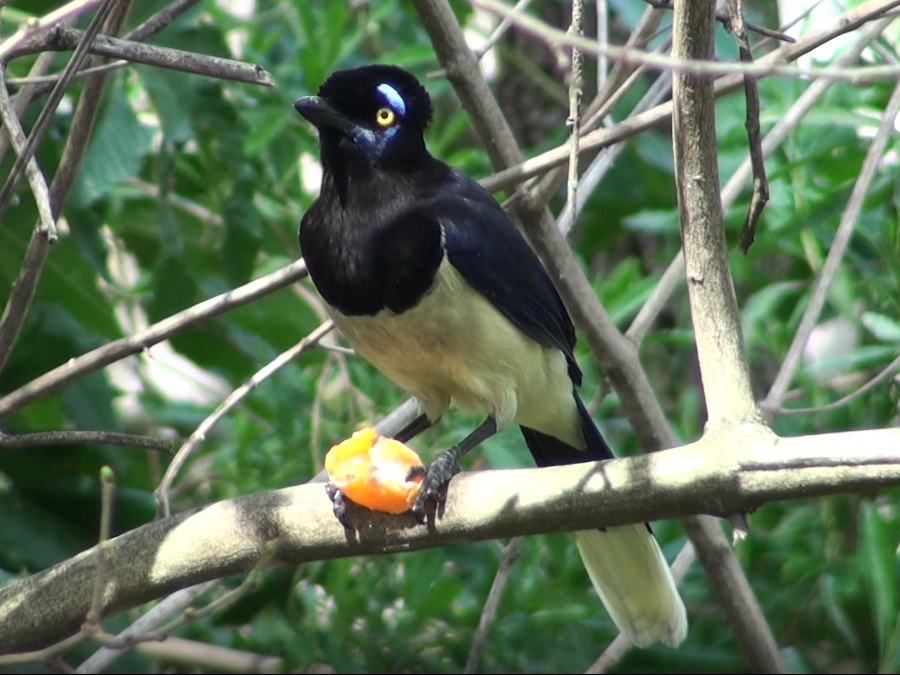
Plush-crested Jay
Cyanocorax chrysops
Urraca-común/Plush-crested JayAn interesting detail to pinpoint: the jay uses its foot to hold the piece of orange.
© Roberto Ares
Two GallinulesDos-pollonas/Two GallinulesTwo Gallinules of the genus Gallinula share the pond and breed there. They differ a lot in size and colouration. The Common Gallinule wanders more on mats of dead and decaying vegetation than the Spot-flanked Gallinule.
© C. y T. Di Mauro
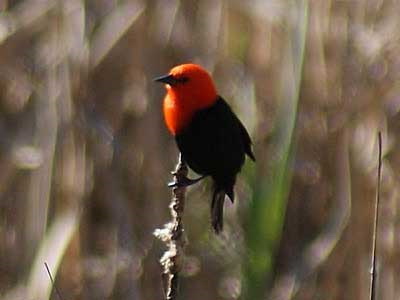
Scarlet-headed Blackbird
Amblyramphus holosericeus
Federal/Scarlet-headed Balckbird© C. y T. Di Mauro
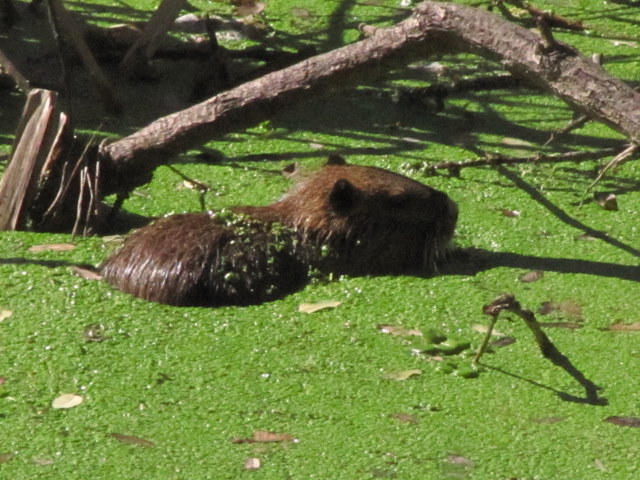
Coypu
Myocastor coypus
Coipo/Coypu© Claudia Furman
VN:F [1.9.22_1171]
Rating: 7.0/10 (3 votes cast)
VN:F [1.9.22_1171]
Rating: +1 (from 1 vote)
News - September 2010, 7.0 out of 10 based on 3 ratings